



About
Zhexi is a thoughtful designer who carefully researches her target audience before starting any project, ensuring that every design decision is grounded in real user needs and context.
She believes that design should solve real problems rather than exist solely as a visual statement, and consistently strives to create meaningful and purposeful spaces. By balancing functionality with aesthetics, she pays close attention to elements such as lighting, materials and overall spatial quality, using them as tools to shape experience and atmosphere. Her approach reflects a strong understanding that design is not only seen but also felt, where users can intuitively engage with the environment around them.
Outside of her projects, she actively explores new software and digital tools to expand her technical abilities and creative range. She sees continuous learning as an essential part of her growth, allowing her to adapt to evolving design trends and industry demands. This curiosity drives her to experiment with different methods of representation and visualisation, strengthening both her conceptual thinking and practical execution.
Through this ongoing process of self-improvement, she is constantly developing as a designer, refining her skills while maintaining a clear focus on creating thoughtful, user-centred design solutions.
Rest. Heal. Renew
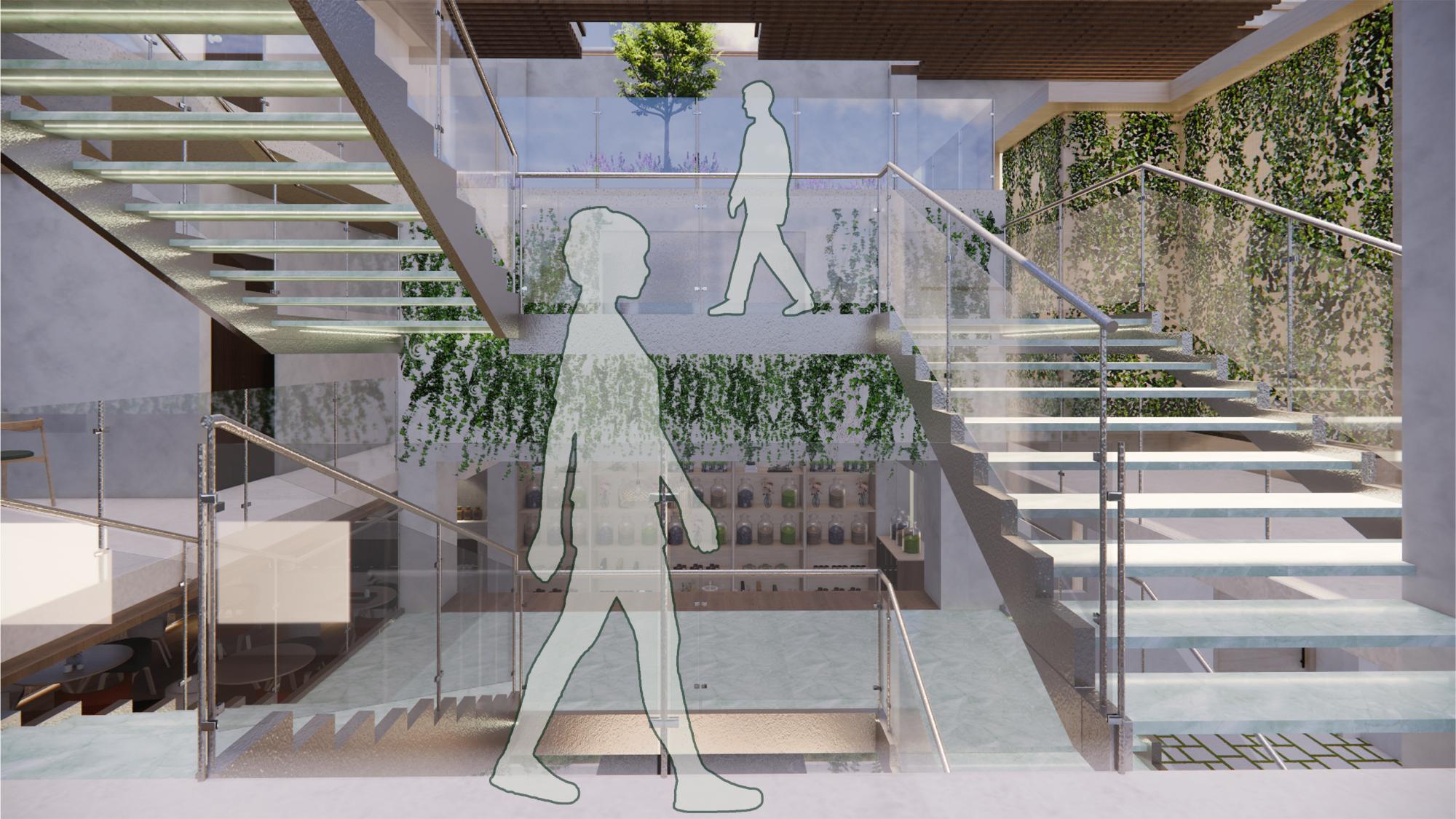
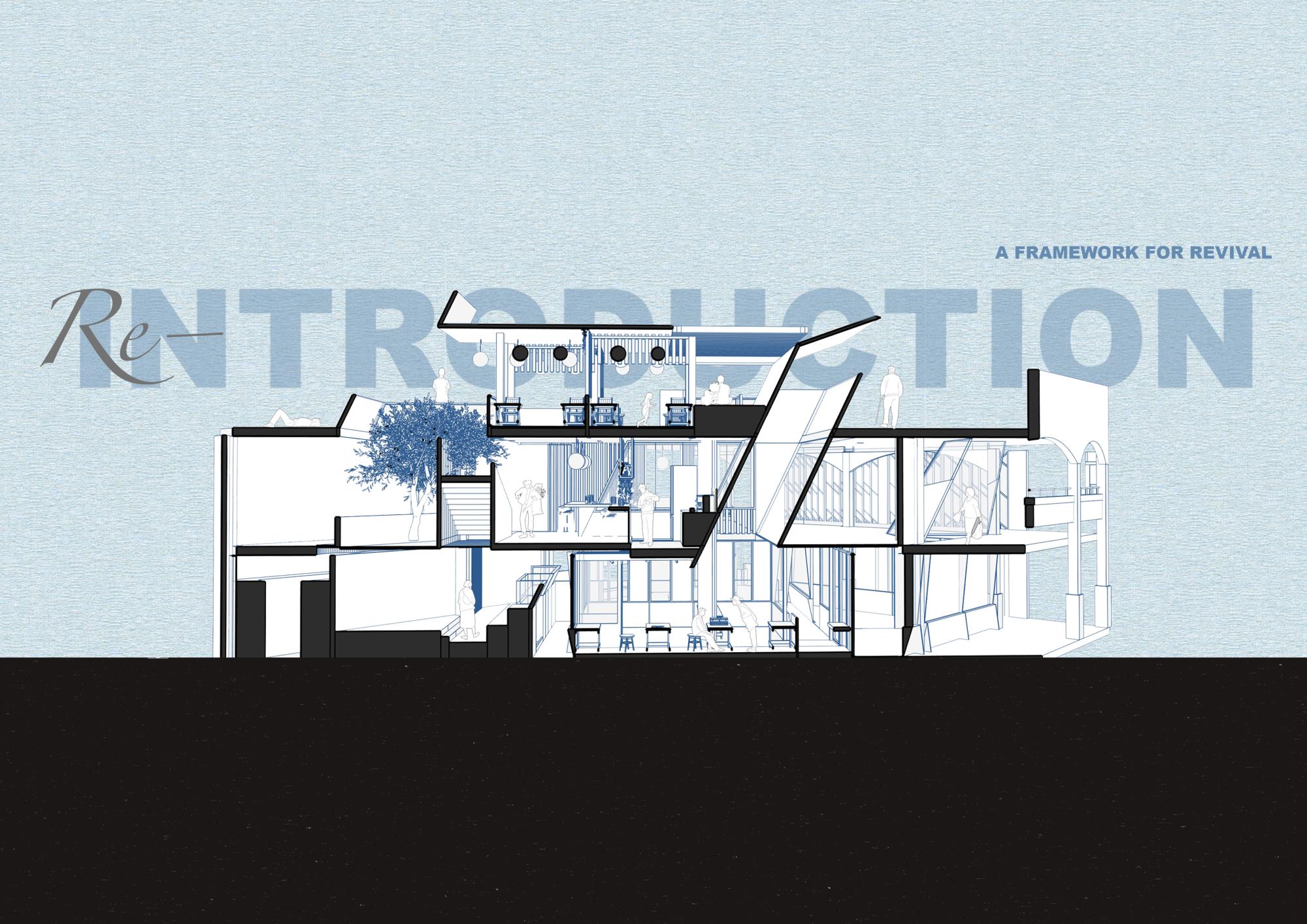
The visually connected stair core enables passive observation, fostering awareness and coexistence without forced interaction.
Singapore’s rapidly ageing population is placing growing pressure on caregivers, whose support systems remain limited.
This project proposes a dual-user care environment that prioritises caregivers while accommodating elderly residents. Recognising caregiver fatigue and the need for personal time, the design introduces spaces for rest, recovery and balance. Alongside this, elderly users participate in supervised pottery workshops, encouraging independence and meaningful engagement.
Organised along a gradient from private to communal zones, the layout enables users to adjust their level of interaction. The programme emphasises gathering, healing and restoration. Caregivers benefit from diverse indoor and outdoor retreat spaces.
By integrating care, rest and autonomy, the project creates a tranquil sanctuary that supports caregiver wellbeing and enriches elderly experience overall.

Pottery workshop for elderly engagement.

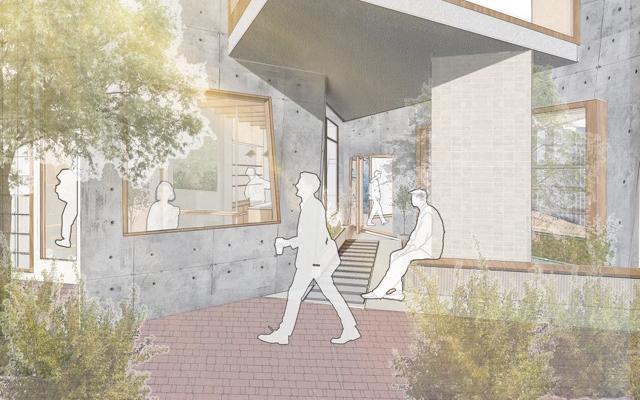
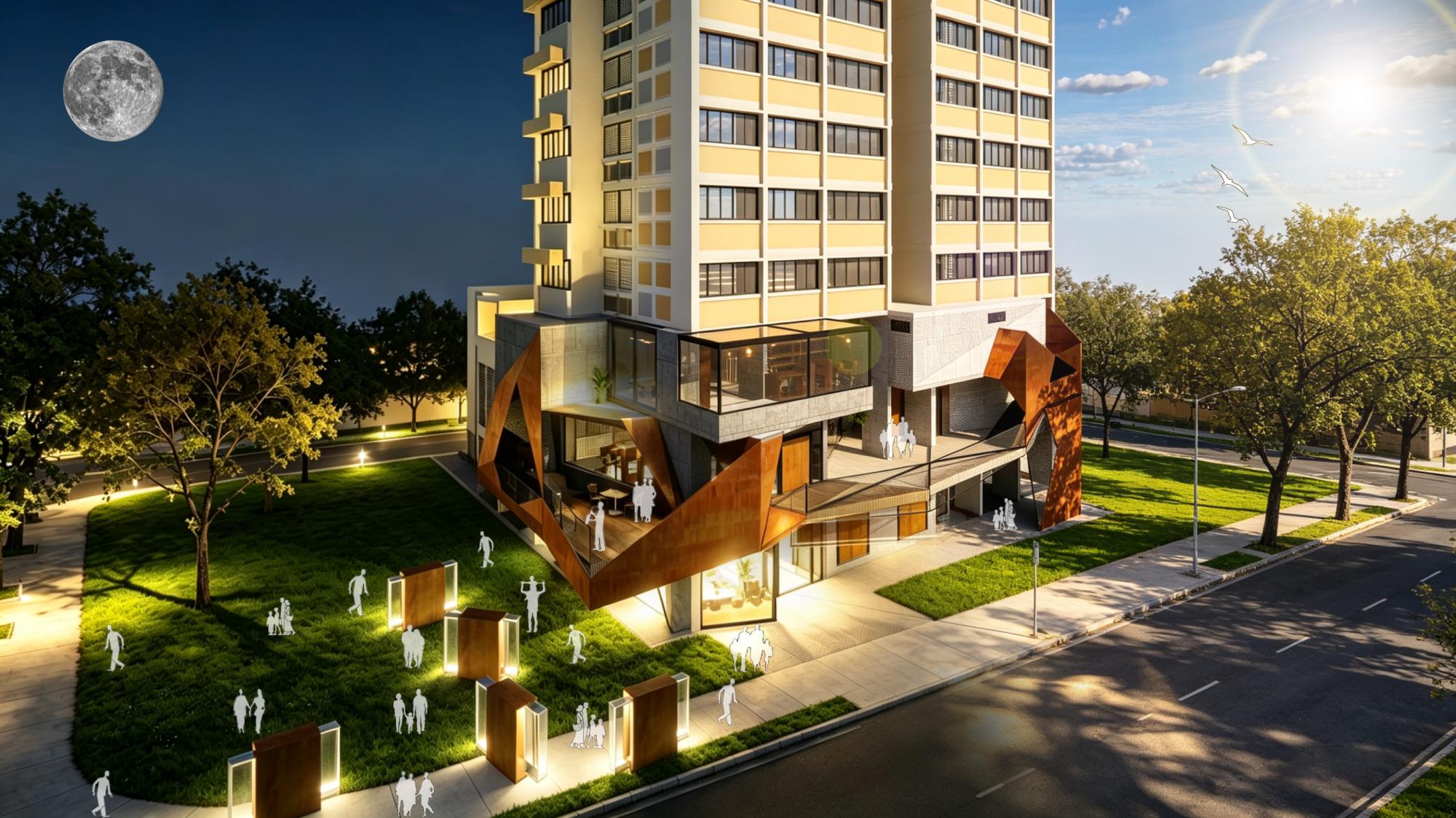
The exterior reveals interior activity, allowing visual connection to the spaces within.
Elderly users may feel reluctant to remain in a conventional healthcare setting, but meaningful activities can encourage natural engagement and sustained focus.
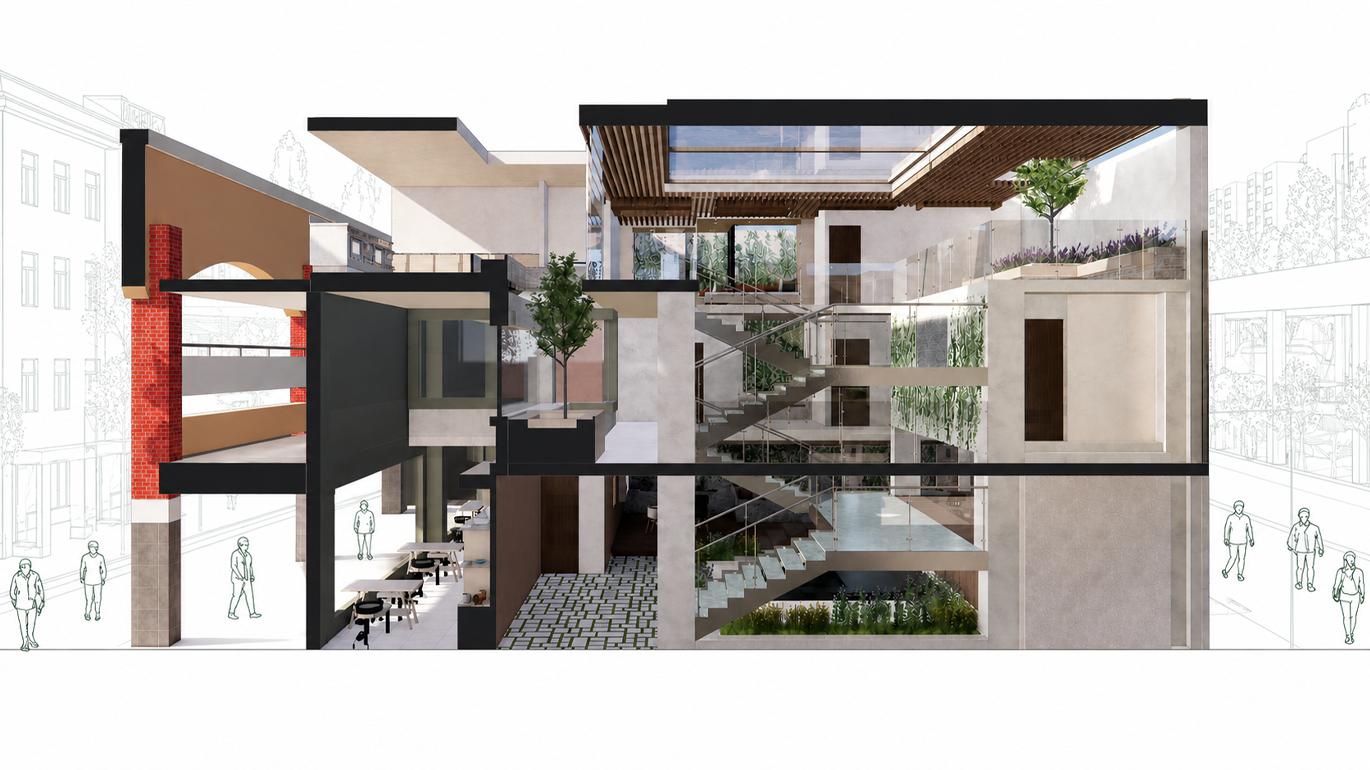
In this design, a ceramics workshop is placed at the front, creating an inviting and active environment that encourages participation and signals a space for enjoyment rather than care. Behind this lively zone, a more private retreat for caregivers is subtly integrated into the space. As visitors move through the space, they gradually discover this hidden area of rest, offering a sense of calm within an otherwise active setting.
This spatial layering allows elderly users to engage independently while caregivers retreat for quiet recovery nearby.

Private sensory retreat for caregivers, immersed in calming natural elements.

Open seating area for caregiver rest and informal interaction.
Zhu Jingyi

Nikki Ng Tze Qi
Victoria Goh Ru Hui

Sarah Lim Xu Xi
Song Yu
Pyae Sone Hein