


About
Yitong is an interior design student who explores the relationship between space, emotion and human experience.
Her approach is rooted in conceptual thinking and careful observation, often beginning with abstract ideas that are gradually translated into spatial narratives. Through the use of materials, light, texture and form, she seeks to transform intangible concepts—such as memory, time and connection—into immersive interior environments.
Yitong's design process emphasises sensitivity to context and users, with a focus on how people interact with and feel within a space. Rather than prioritising aesthetics alone, she is interested in creating atmospheres that evoke reflection, comfort and engagement. Her projects often investigate themes of transformation, continuity and the subtle ways environments can influence behaviour and perception.
With a growing interest in socially responsive design, Yitong aims to create spaces that not only fulfil functional needs but also contribute to emotional well-being and community connection. She is particularly drawn to projects that involve storytelling, adaptive reuse and the reinterpretation of everyday materials or experiences.
Through her ongoing studies, she continues to develop a design language that balances conceptual depth with practical application, striving to create meaningful and thoughtful spatial solutions grounded in human-centred design principles.
Rebirth Through Time

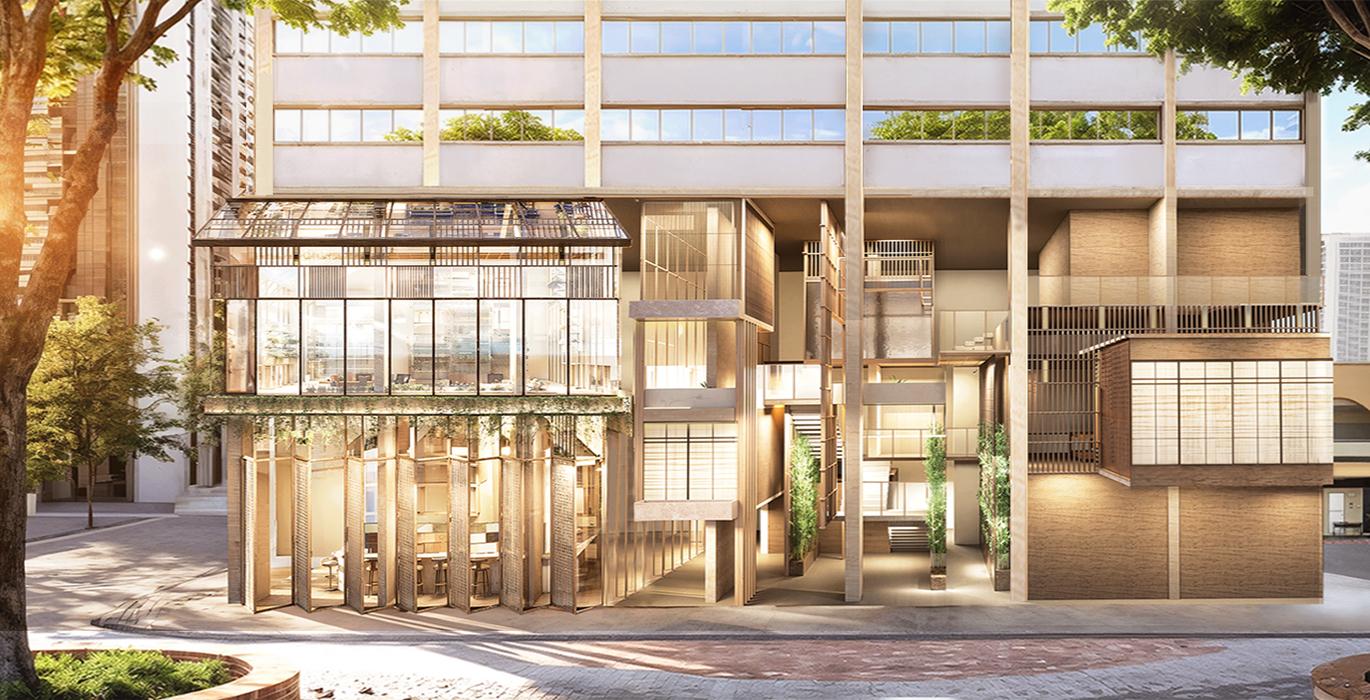
This project originates from an observation of Jalan Besar as a neighbourhood shaped by time—where an aging population coexists with fading traditional crafts and rapidly shifting urban conditions.
Many elderly residents possess valuable skills in metalwork, textiles and ceramics, yet these practices are gradually disappearing, along with the sense of purpose and identity tied to them. This project explores how space can become a medium to restore not only objects, but also dignity, memory and human connection.
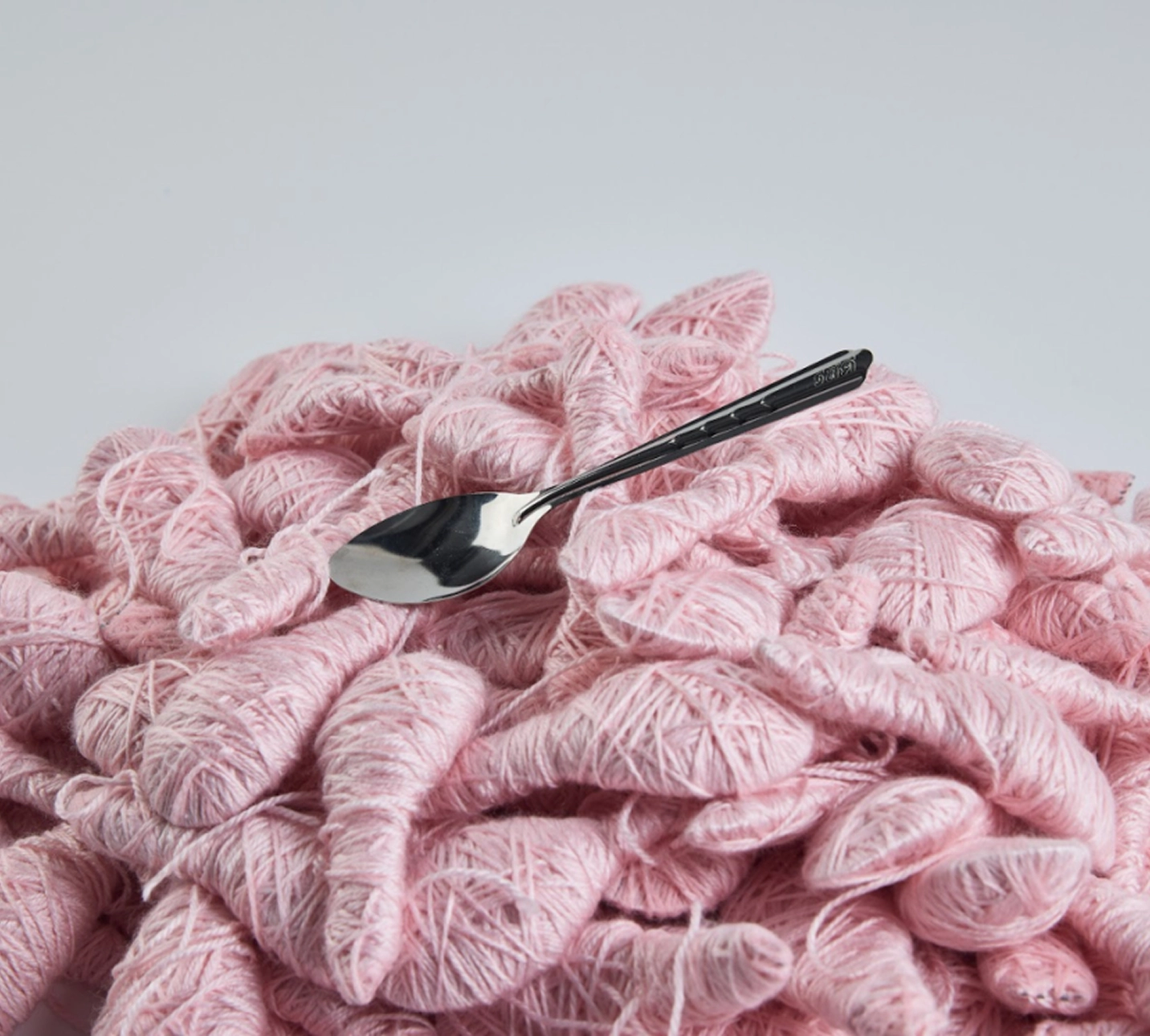
Through a humanistic perspective, the design reframes repair as a form of care, where fixing a broken object becomes an act of self-reconstruction. The process of making is no longer purely functional, but emotional and reflective. This idea draws from both artistic and cultural narratives, where imperfection, aging and traces of time are not erased, but embraced and transformed into value. The space therefore operates as a quiet form of 'worship'—not in a religious sense, but as a ritual of respect towards time, labour and lived experience.
At a community level, the project creates a participatory environment where elderly individuals are not passive users, but active contributors. Through workshops in metal, textile and ceramic repair, they re-engage with their skills while interacting with others across generations. The repaired objects—reimagined as flower vessels—are then reintroduced into the community through display and exchange, forming a continuous cycle of making, sharing and renewal.
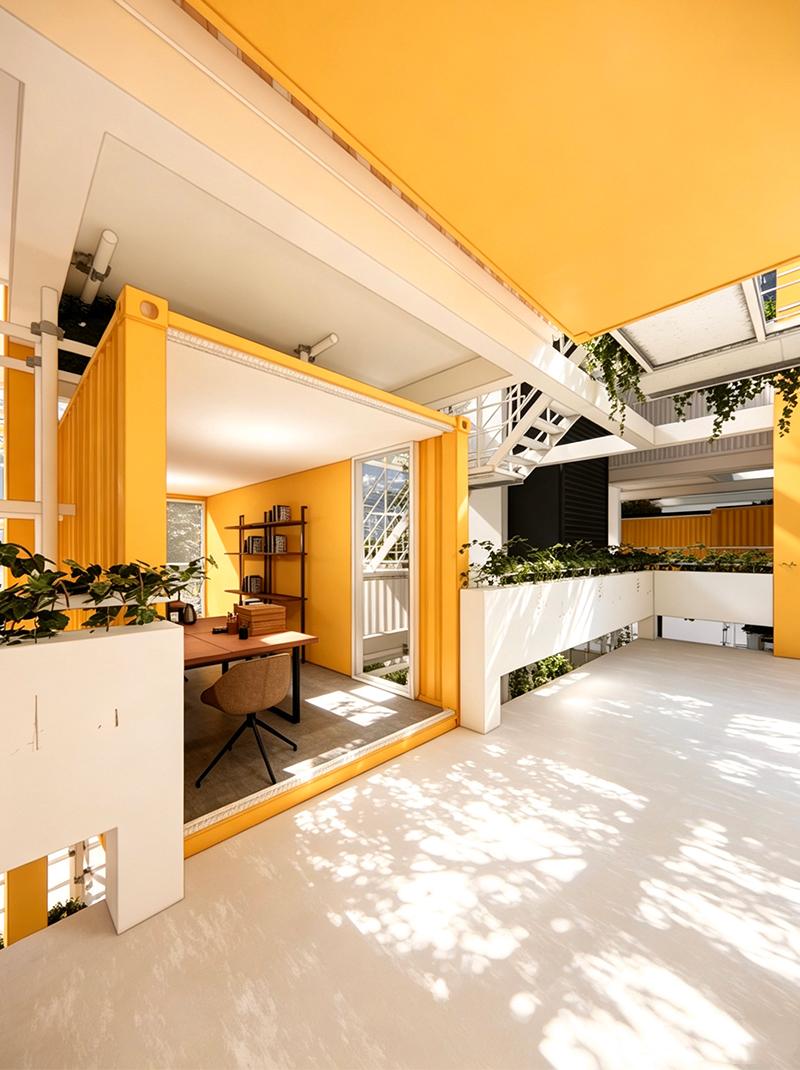
The design strategy is grounded in both practicality and adaptability. Shipping containers are used as the primary architectural system, allowing modularity, flexibility and phased growth over time. Each container accommodates specific functions—repair, cleaning, storage, planting and contemplation—while their arrangement creates a fluid spatial sequence. Rather than being a fixed composition, the architecture reflects the concept of ongoing transformation, where spaces can be reconfigured as needs evolve.
Materially and atmospherically, the project emphasises contrast and layering: raw versus refined, old versus new, static versus dynamic. Natural light, semi-open thresholds and tactile surfaces are carefully orchestrated to create moments of pause, interaction and reflection. The integration of planting spaces further reinforces the idea of rebirth, where repaired vessels hold new life, symbolising continuity beyond damage.
Ultimately, the project is not defined by a single function, but by an experience over time. It is a space where repair becomes ritual, where making becomes meaning and where both people and architecture are allowed to age, adapt and be renewed.

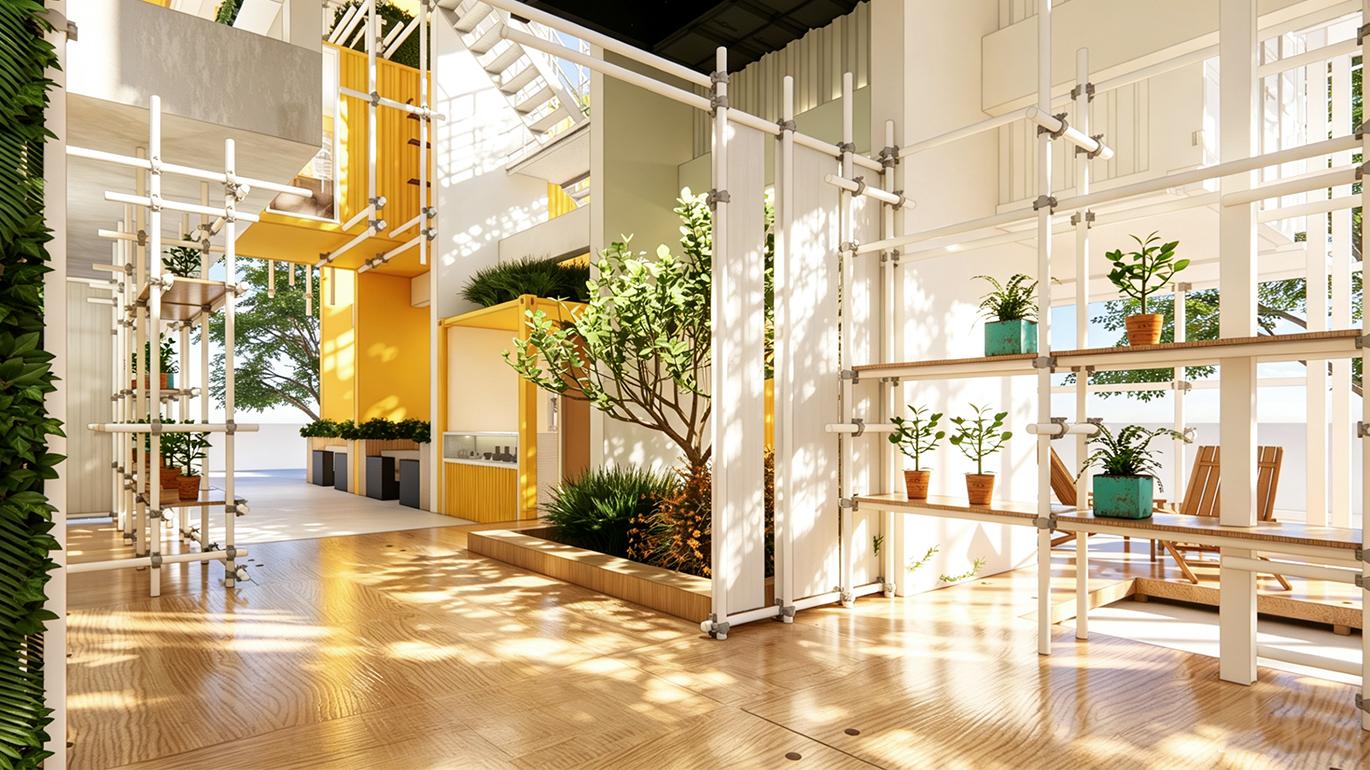
The ground floor combines a planting area and retail space, where repaired objects are reintroduced into everyday life. Reimagined as plant vessels, these items support new growth, expressing the idea of rebirth through care.

The use of modular shelving allows flexibility between cultivation and display, while natural light and greenery create a calm, immersive atmosphere. More than a sales space, it acts as a point of connection between makers and the community, extending the cycle of repair, growth and renewal.
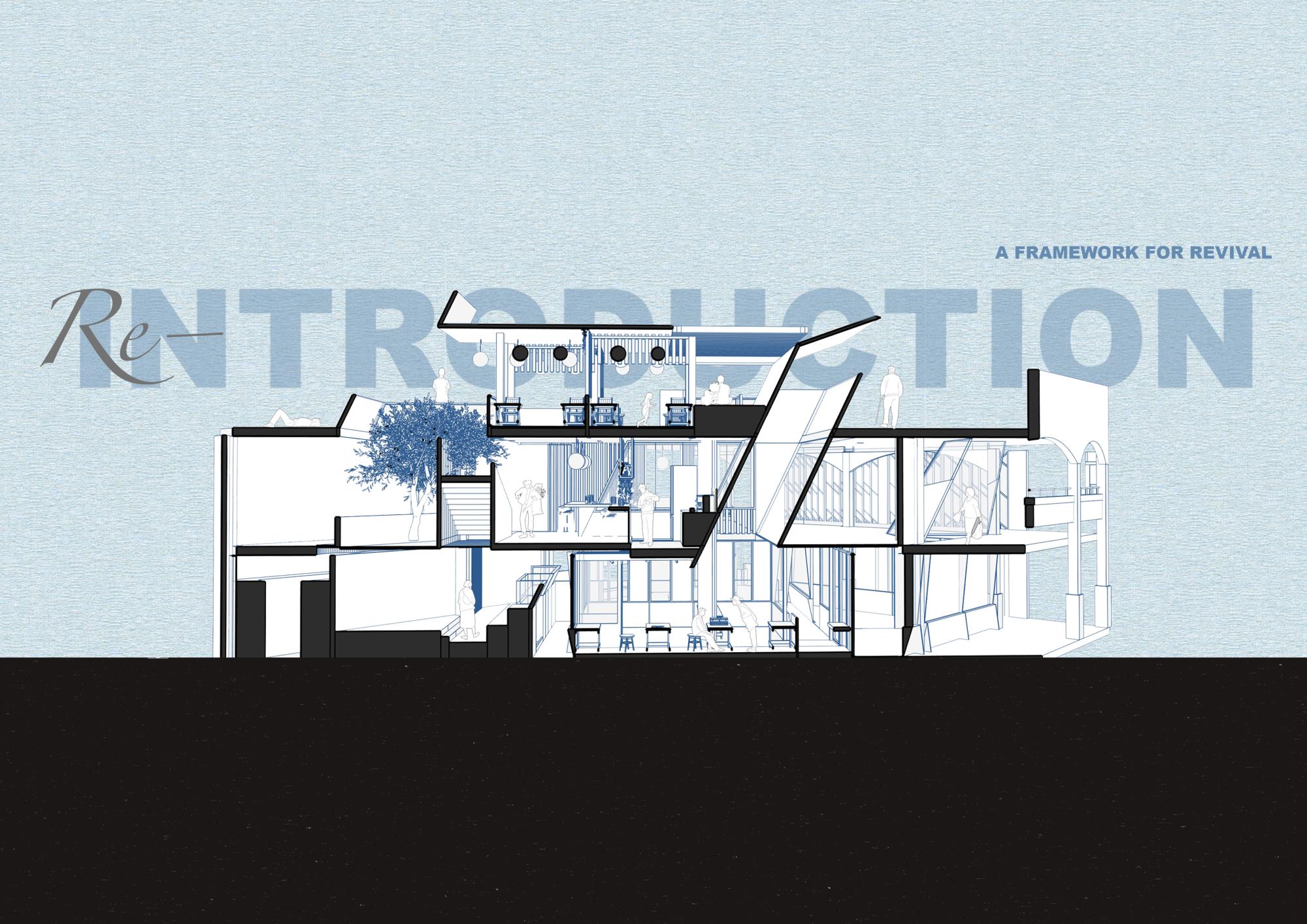
The spatial organisation is developed vertically across three levels. The first floor combines planting and retail functions, forming a public interface of growth and exchange. The second floor houses repair workshops, where community members engage in material restoration and craft activities. The third floor serves as storage and essential service areas, including toilets.
Shipping containers are used as modular units to create a flexible and adaptable interior system, allowing the space to be reconfigured according to changing community needs over time. The vertical circulation supports a gradual transition from public interaction to active making and support functions.
The colour palette consists of yellow, white and dark grey, balancing warmth, clarity and solidity. Combined with raw material textures such as metal and wood, the palette reinforces the contrast between vitality, neutrality and permanence, reflecting the cycle of renewal embedded in the project.


The second-floor space houses the repair workshop, where damaged objects are restored through hands-on processes such as fixing, cleaning and assembling. The layout is simple and practical, with tools and materials organised for easy use. It provides support for elderly users to work comfortably, positioning repair as a slow and meaningful activity.
Lim Shi Ying

Sarah Lim Xu Xi
Liu Meixu

Liu Yitong
Tan Ying Siang

Jeong Kristal Soojeong