
Zhu Jingyi


About
Jingyi is a Diploma in Interior Design graduate who investigates how spatial environments influence human behaviour and emotional experience.
She adopts a process-driven approach rooted in spatial logic rather than a predetermined style, using organisation, circulation and sequencing to guide interaction and perception. Her work reflects a nuanced understanding of how individuals engage with space, shaping moments of movement, pause and connection through carefully considered design strategies.
Jingyi is interested in the subtle relationship between form and experience, exploring how thoughtful spatial decisions can create atmosphere and meaning. Her projects prioritise user engagement while maintaining conceptual clarity, resulting in designs that are both responsive and refined.
Balancing clarity with sensitivity, she creates environments that feel intuitive, intentional and deeply personal—designed not only to be seen, but meaningfully experienced.
Sending and Receiving

A sequence of quiet interactions—choosing, writing, pausing and discovering—where connection emerges not through direct exchange, but through presence, curiosity and shared moments.
In contemporary residential neighbourhoods, communication has become instant and digital, while physical mailboxes remain present but largely unused. Once a vital part of everyday life, the mailbox has gradually lost its role in connecting people.
This project reinterprets the mailbox as a spatial system based on the process of sending and receiving. Instead of focusing on efficiency, it introduces a slower form of exchange where messages, objects and memories are shared within the community.
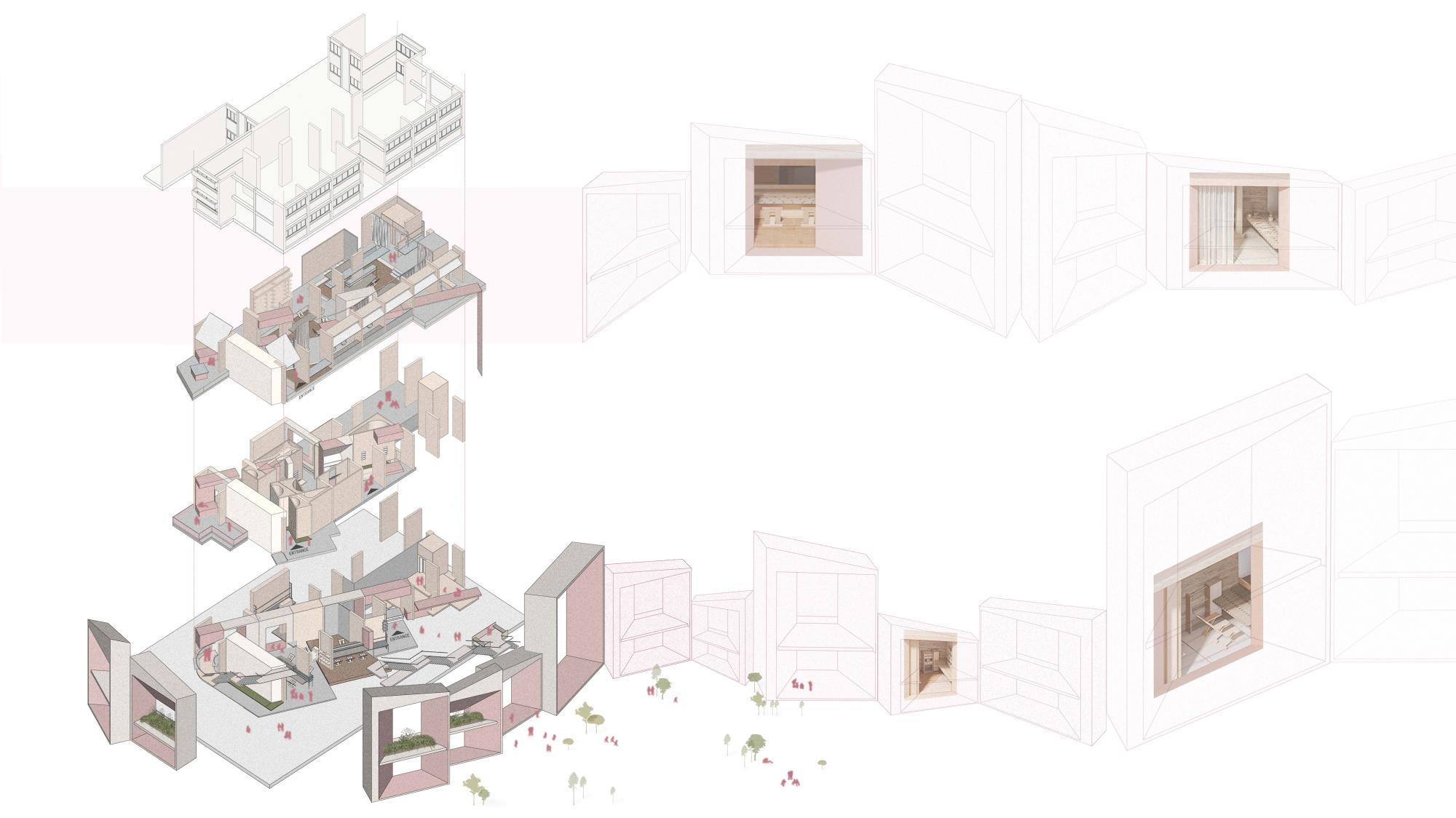
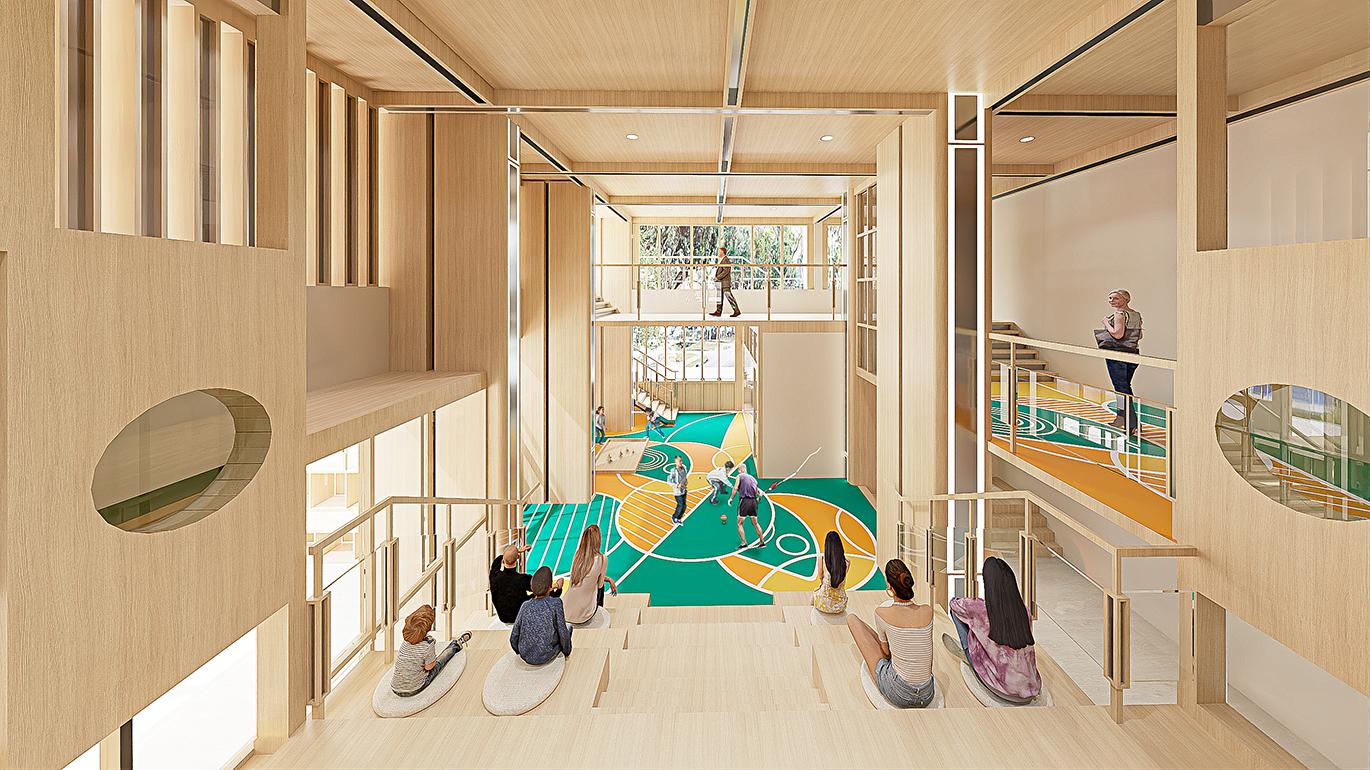
Organised across three levels, the space guides users through writing, depositing, waiting and receiving. This process creates moments of curiosity, anticipation and quiet interaction. By slowing down communication, the project invites a renewed sense of connection between individuals and across generations.

The project begins with the mailbox as an everyday object, focusing on the small act of the flap—opening and closing—as a moment of anticipation.
This action is translated into spatial thresholds, where users pause, peek and place, turning a simple gesture into a sequence of physical and sensory experiences.
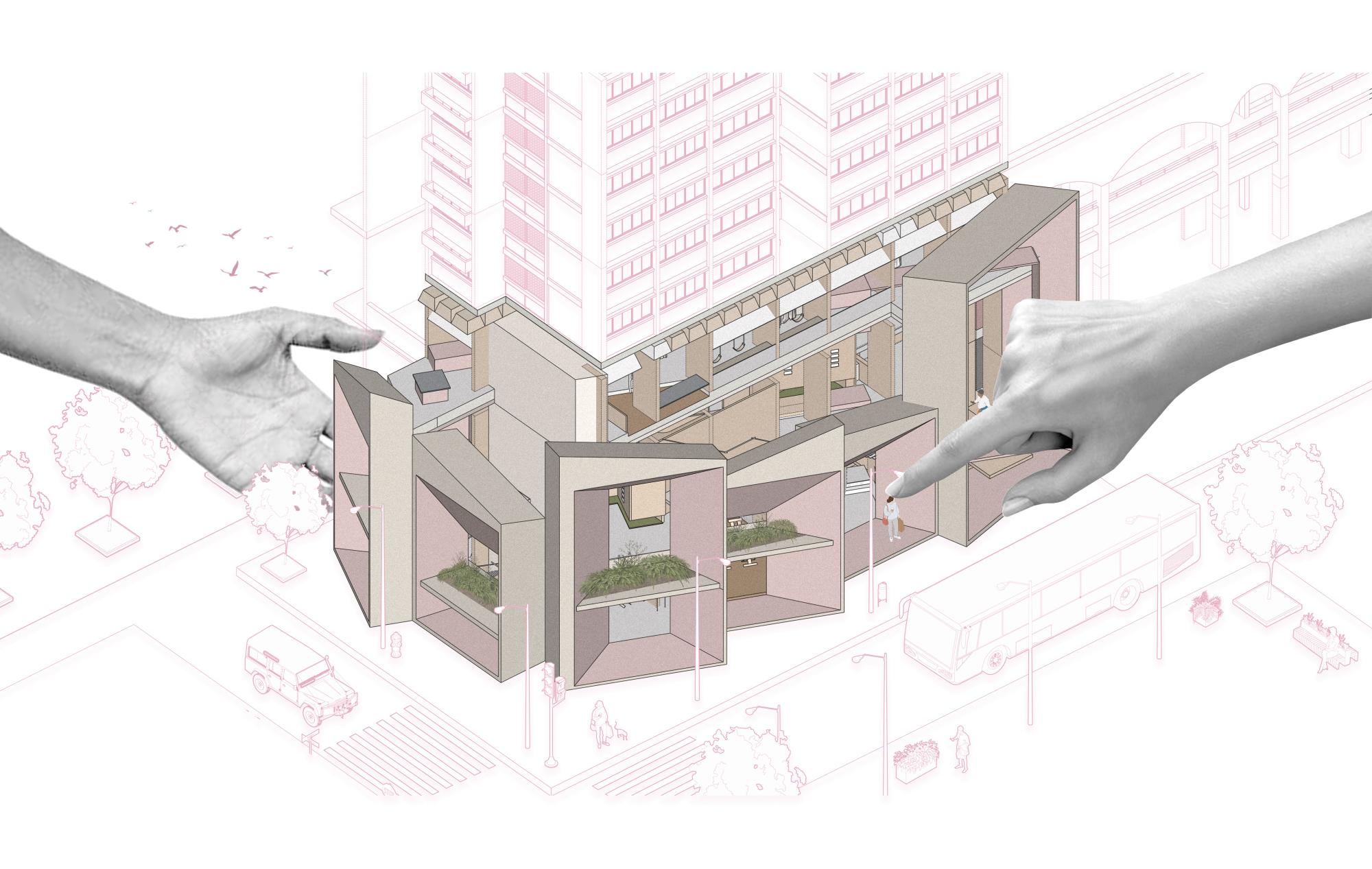
What if connection didn’t need to be immediate?
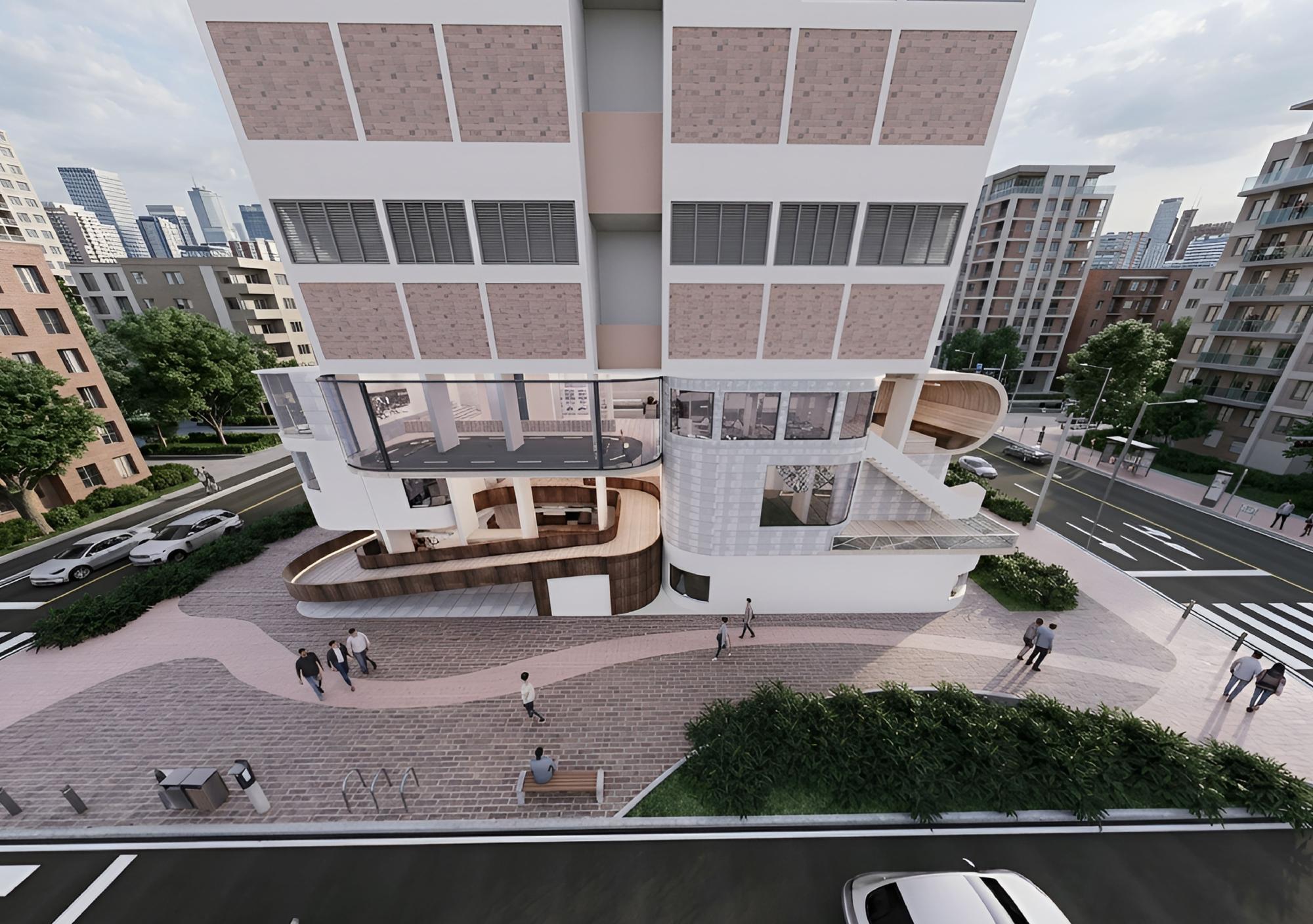
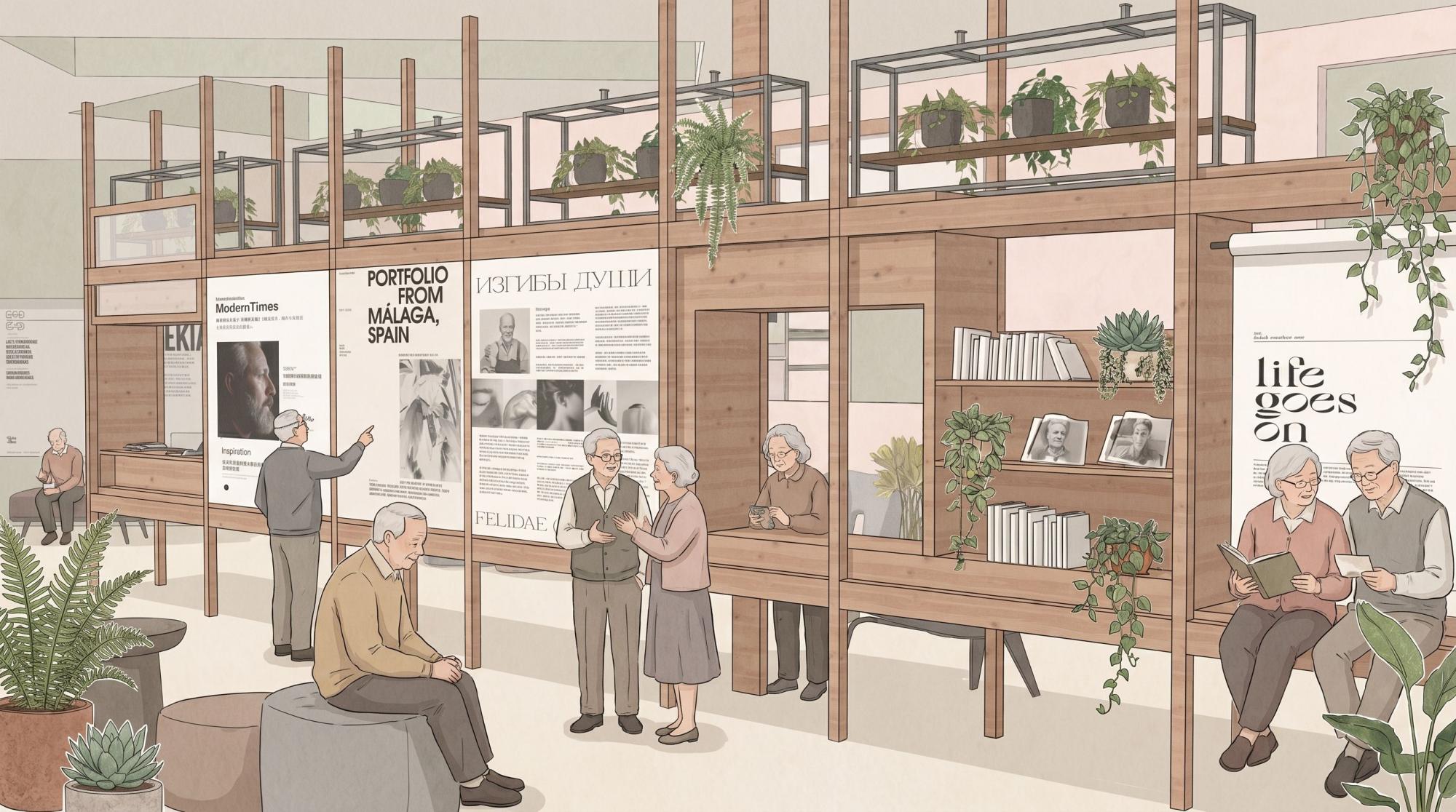
The site is defined by routine-based movement within the neighbourhood and an aging residential context, where elderly residents hold memories and slower rhythms of communication, while younger users are less engaged, creating a gap in intergenerational interaction.
Existing mailboxes remain as overlooked infrastructure, suggesting a latent system of exchange, while sunlight informs spatial openness and material processes.

Level 1 — Prepare & Send
A space for selecting, writing and depositing, where personal actions begin and participation remains open and optional.

Level 2 — Suspension Layer
A quiet in-between space for observing and discovering, where exchanges are held, partially revealed and experienced through moments of pause.

Level 3 — Receive & Activate
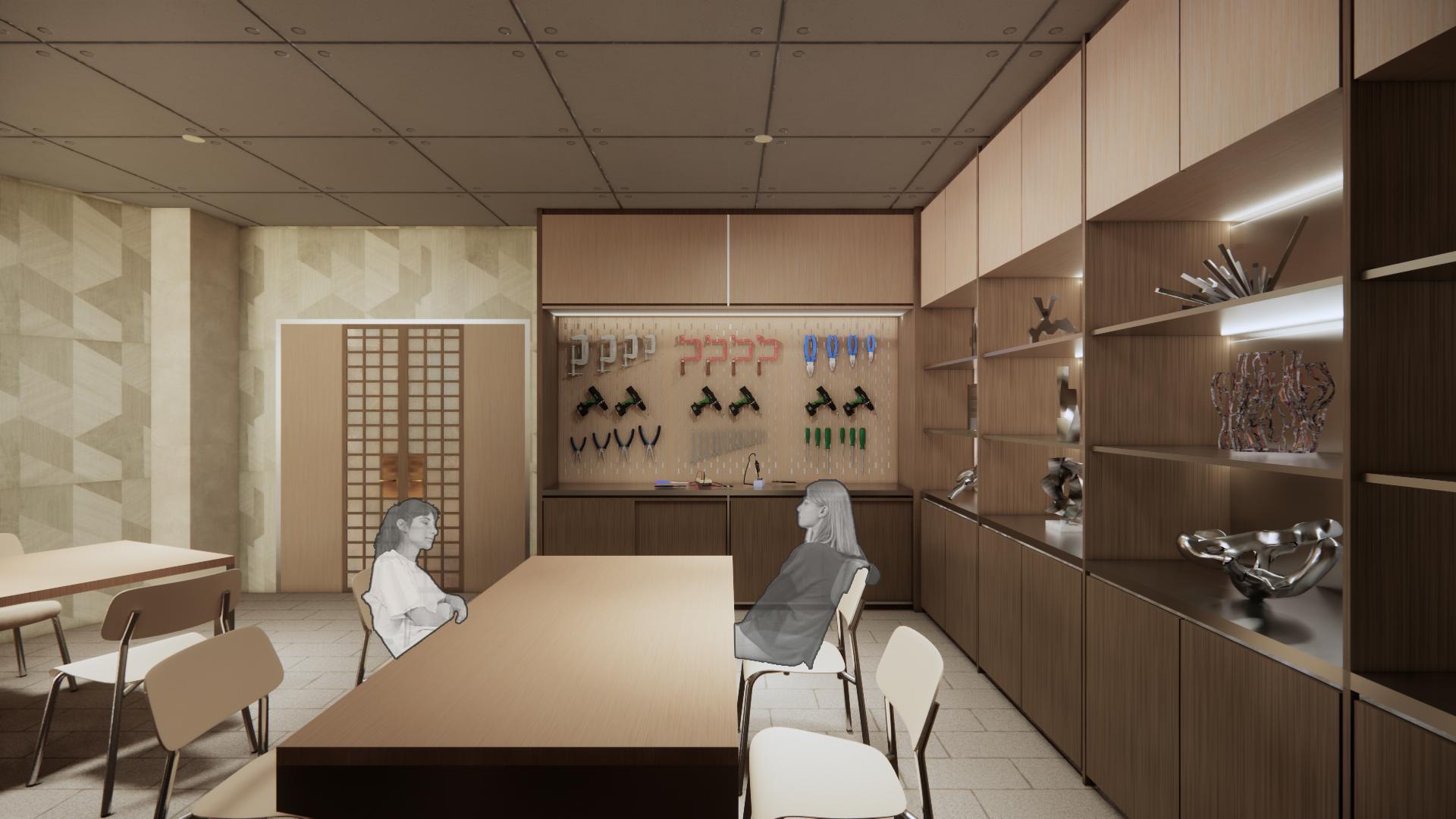
A collective space for receiving, making and sharing, where interactions unfold through workshops and evolving activities.

A three-level sequence of sending, suspension, and receiving.
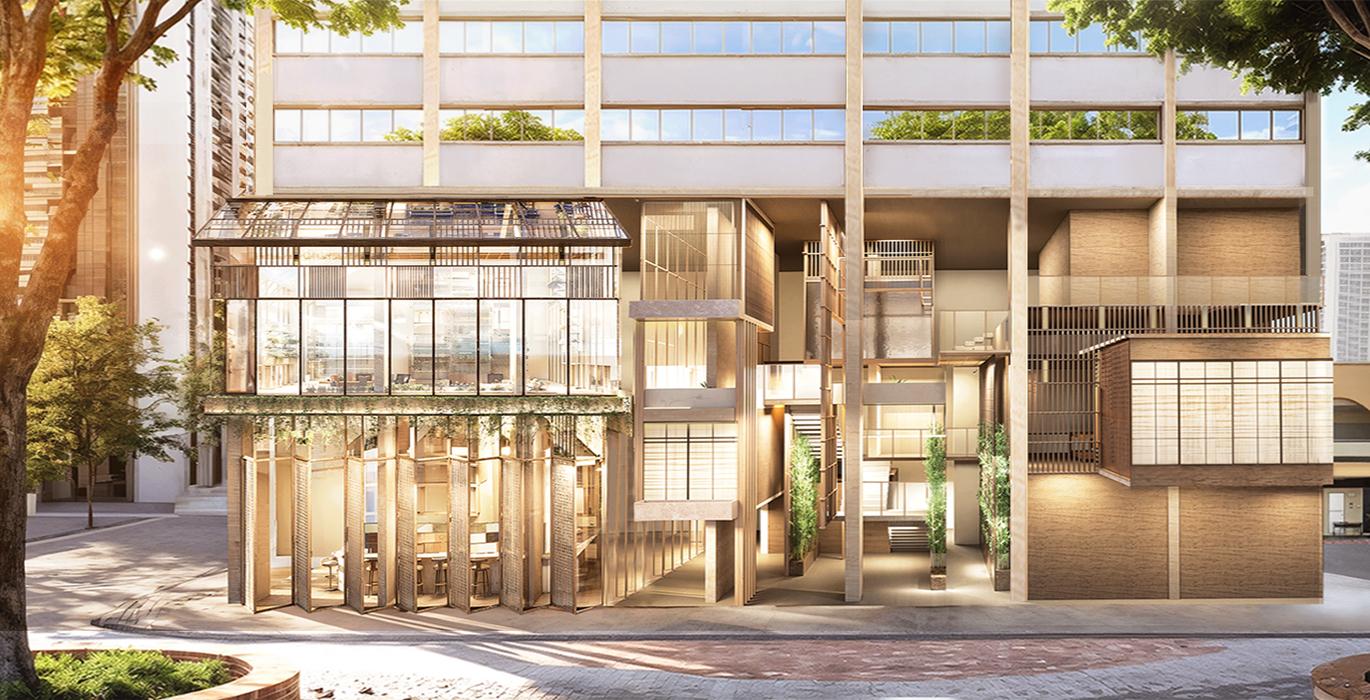
Users begin by preparing and depositing at Level 1, move through a suspended layer of observation at Level 2 and arrive at Level 3 for collection and shared activities. Vertical volumes extend through the three levels, connecting the spaces into a continuous experience, while a tilted, mailbox-inspired facade guides movement inward.

An early exploration of slow exchange—where fragments of everyday life (letters, seeds, recipes, handmade objects) begin to form a shared language of connection.
Rather than adding new systems, the project suggests a quieter shift—where connection is not lost, but simply displaced within everyday life. By reworking familiar spaces, it proposes that memory, exchange and presence can re-emerge through subtle interactions.
It imagines a future where spaces do more than function, becoming platforms for shared experience, where connection is rediscovered rather than designed.
Choi Dugyeong
Zhao Bicheng
Liu Hanwen (Harvey)
Chen Jialing
Jeong Kristal Soojeong
Nathania Baby Putri Wirawan