


About
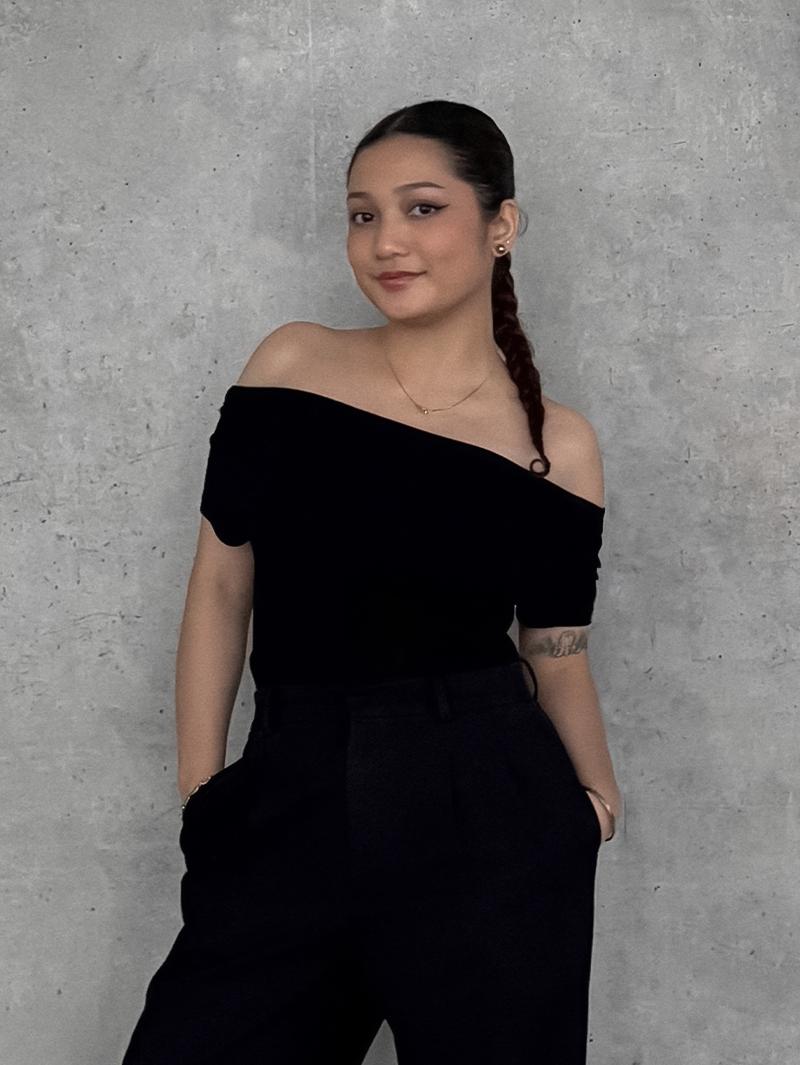
Julienne is a BA (Hons) Product Design graduate from LASALLE College of the Arts with a passion for furniture, material exploration and human-centred design.
As a designer, Julienne values adaptability, continuous learning and collaboration. Driven by curiosity, observation and a belief that design should meaningfully improve the way people experience everyday life, she approaches each project with an open and reflective mindset, aiming to create work that feels purposeful, emotionally resonant and grounded in real human experiences.
Across her projects, Julienne explores how objects, spaces and systems can create more thoughtful interactions between people and their environments. Her work combines conceptual thinking with hands-on experimentation, supported by skills in 3D modelling, rendering, prototyping and visual storytelling through video and digital media. She is particularly interested in the relationship between functionality and emotion—designing pieces that are not only practical, but also capable of fostering familiarity, comfort and long-term value.
Julienne has contributed to industry and collaborative projects with organisations including Samsung, CREATIVE Technology Singapore, NEU Industries, Institut Teknologi Bandung, and Plastify, engaging in projects that explore material experimentation, future-oriented design and contemporary user experiences.
Alongside her independent creative practice, Julienne has participated in exhibitions including Singapore Design Week through the NEUFOLK Exhbition (2023), as well as LASALLE's Matter Matters II (2024) and Future Form (2025).
KOLM
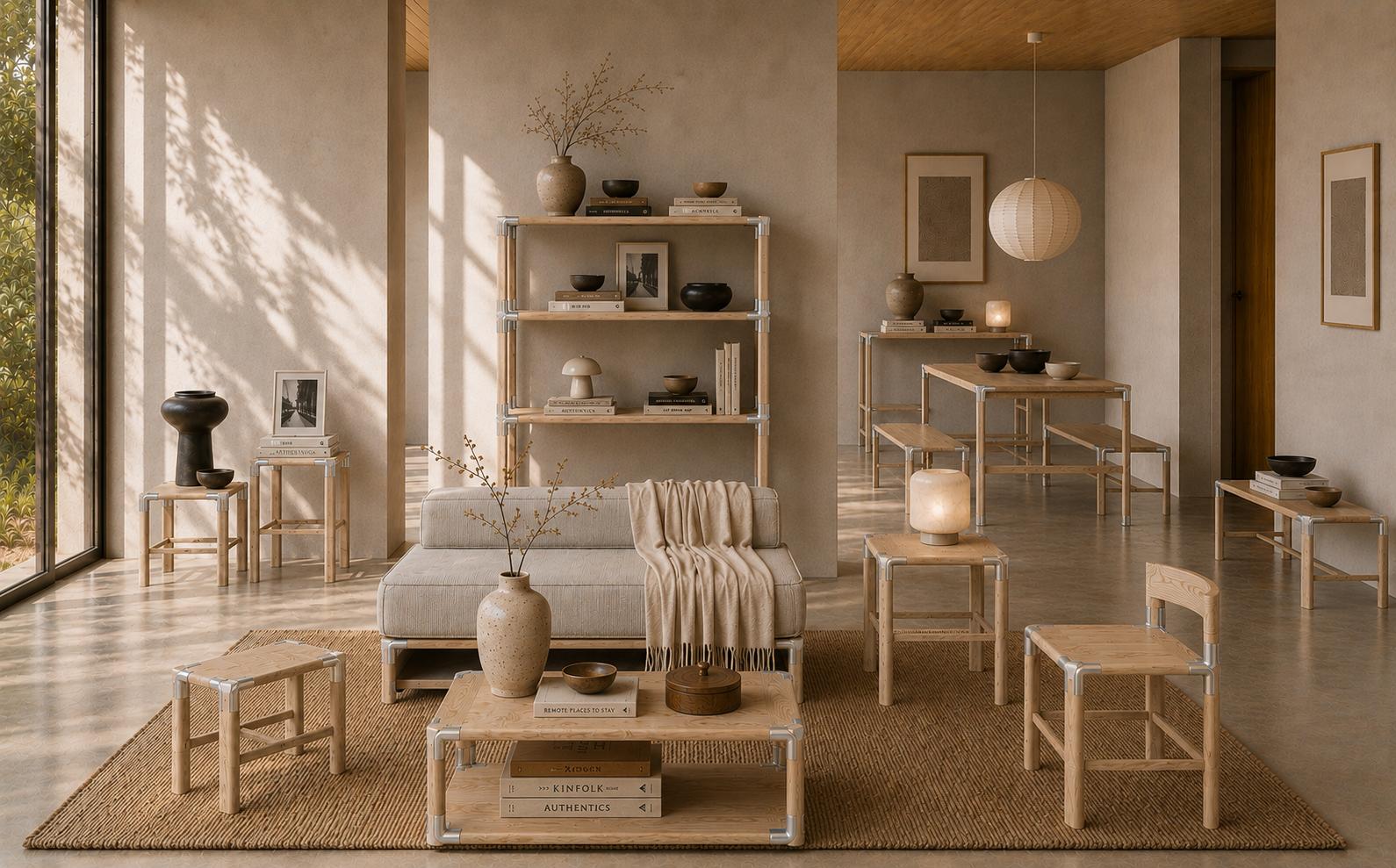
Evolving with the rhythms of life, KOLM is a modular furniture system inspired by Nordic principles of clarity, restraint and reduction. The project explores how simple parts can create multiple outcomes through adaptability and reuse.
Developed in response to changing patterns of shared living, KOLM considers how furniture can support evolving routines, relationships and everyday use over time. Rather than being discarded as needs shift, components can be reconfigured, extended and reused across different stages of life.
Through intuitive assembly, a consistent structural language and long-term adaptability, the project encourages a more circular approach to furniture.
—Where furniture remains part of everyday life, use, memory, and continuity through time.

A system designed to evolve over time.

Simple connections through alignment and fit.

Expanding laterally through repeated structural connections.

Height variation through interchangeable structural elements.
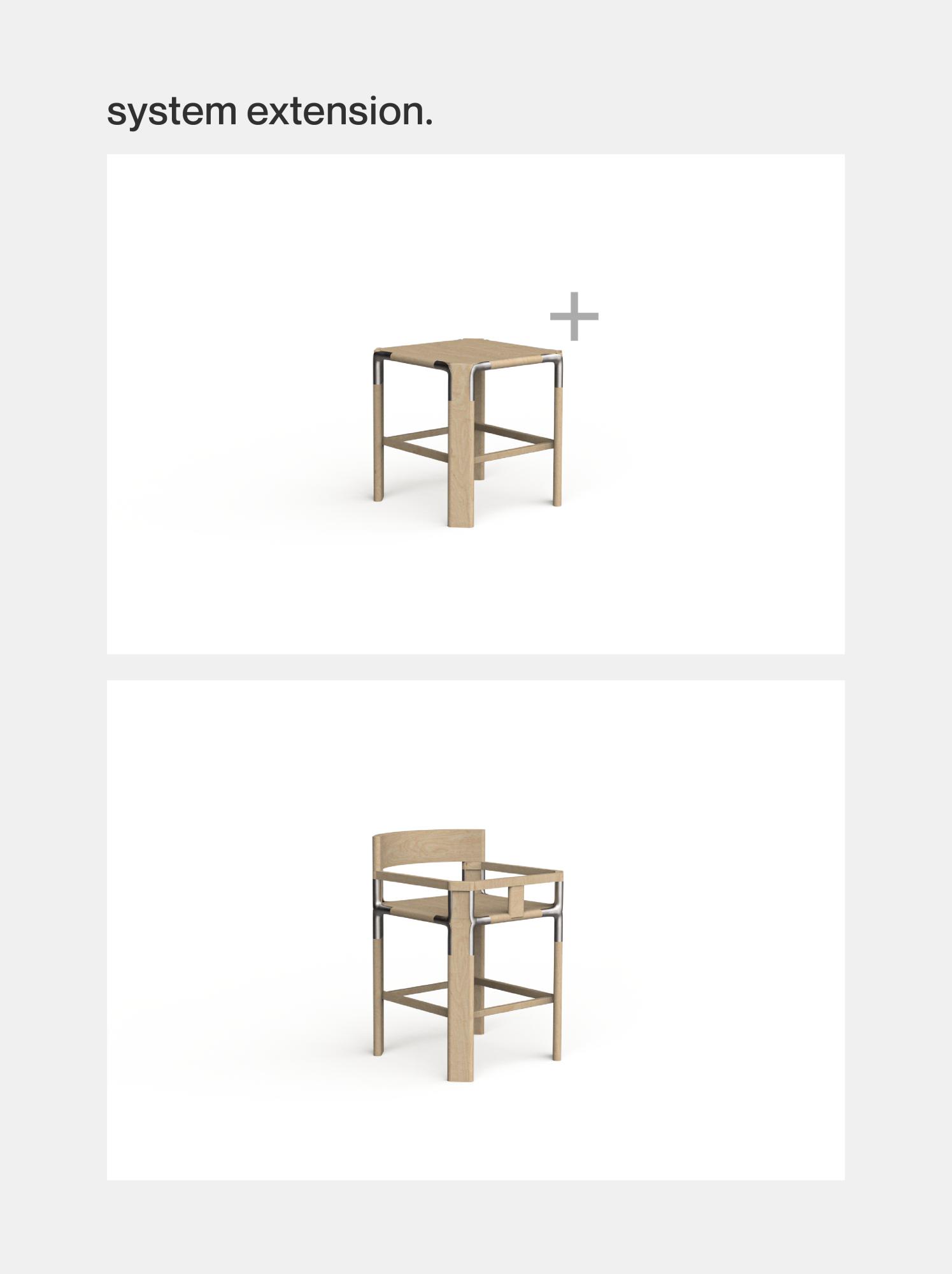
Additional components extend functionality over time.

Designed to support everyday shared living.

Multiple typologies from one methodology.
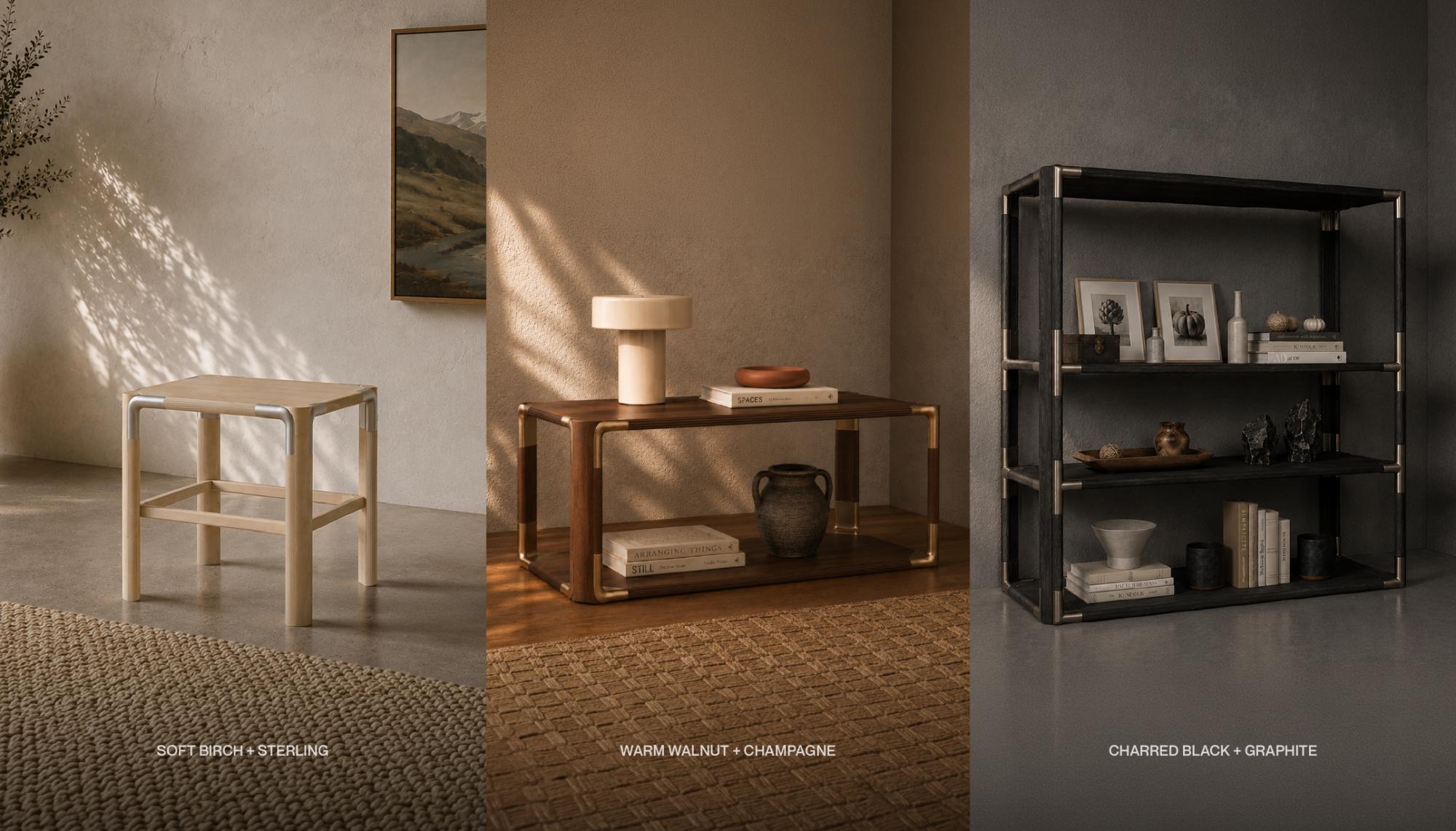
A refined palette across different material expressions.
Shin Hayoung

Meagan Chan Hui Xin

Kwek Fu Qi

Avika Chokhani

Halle Wilson Hendricks
Sadhika Rai