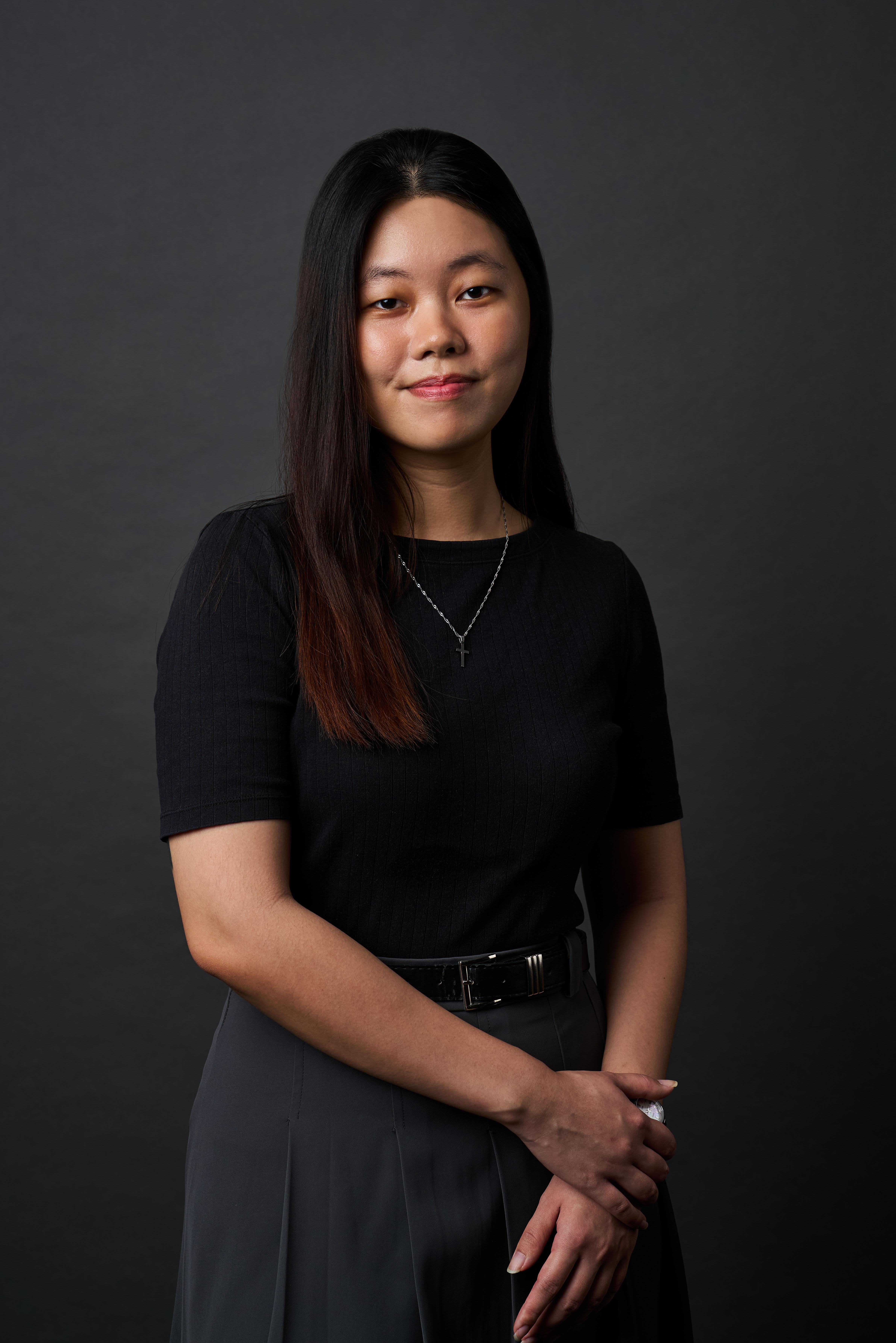




About
Katja is an emerging arts manager with a background in visual arts and marketing, and a strong interest in museology, curation and cultural policy.
Through her academic and professional experiences, Katja has developed skills in project coordination, research marketing strategy and stakeholder engagement within arts and cultural contexts. She is particularly interested in how institutions such as museums and galleries connect contemporary art with diverse audiences, and how strategic communication can deepen cultural participation.
Her dissertation research explores artistic freedom, censorship and the regulation of nudity in Singapore’s visual arts sector, examining how institutions negotiate contested forms of expression within shifting social and political contexts. This has strengthened her interest in the relationship between art, governance and public reception, as well as the responsibilities of cultural institutions in presenting challenging work.
Katja is especially drawn to projects that foster dialogue among artists, audiences and communities, as well as socially conscious, internationally engaged forms of curation. She is interested in both local and global art ecosystems, with a focus on how art can respond to personal, political and collective concerns.
Where Did We Draw the Line? The regulation of nudity in Singaporean art exhibitions and the implications for institutional practice and cultural governance
This research examines how the regulation of nudity in Singaporean art exhibitions reveals the relationship between artistic integrity, institutional processes and broader cultural governance from the 2010s onwards. Drawing on six case studies across museum, public and independent exhibition contexts, it explores how nudity is perceived, mediated and regulated within contemporary art institutions.
The findings show that censorship in Singapore functions as a conditional, interpretive and distributed process. Nudity is not assessed solely by bodily exposure, but through distinctions between acceptable artistic nudity and morally suspect sexual expression. Works are more readily tolerated when aestheticised or historicised, but become contentious when linked to sexuality, agency, gender ambiguity or queerness. Across the case studies, female nudity is more often accepted when anonymised or depersonalised, while male and gender-ambiguous nudity is more likely to be read as confrontational or deviant.
Institutionally, censorship is shaped by exhibition context, accessibility and regulatory infrastructure. Ticketed museum spaces often provide greater curatorial framing and protection, while open-access public spaces are more vulnerable to complaint and anticipatory removal. Independent and private exhibitions may reduce risk through limited exposure and targeted audiences. Licensing frameworks also embed regulation into curatorial planning, encouraging self-regulation as part of exhibition-making.
More broadly, censorship operates less through direct state intervention than through reactive crisis management involving institutions, public complaints and media attention. Cultural institutions often function as co-regulators who internalise regulatory expectations, while public reception acts as a trigger for intervention. Overall, the study argues that the boundary between nudity and sexual content is continually negotiated through conceptual framing, institutional mediation and public response.
Professional practice
Katja's professional practice is centred on arts management, audience engagement and the role of cultural institutions in connecting art, heritage and the public.
With a background in visual arts and marketing, she is particularly interested in how galleries, museums and arts organisations create meaningful and accessible experiences through exhibitions, programming and strategic communication.
As a marketing intern with The Arts House Limited, she supported communications and promotional initiatives within Singapore’s arts sector. This experience strengthened her understanding of how branding, audience outreach and digital engagement contribute to the visibility and impact of cultural programmes, while developing her skills in collaboration, adaptability and working within dynamic organisational environments.
Alongside this, Katja has worked on collaborative projects that bridged academic learning with industry practice. As part of her studies, she contributed to a project developed in partnership with Children's Museum Singapore and the Anglo-Chinese School Old Boys' Association. This experience deepened her understanding of partnership-building, community engagement and the importance of designing programmes for diverse audiences.
Dina Khaled
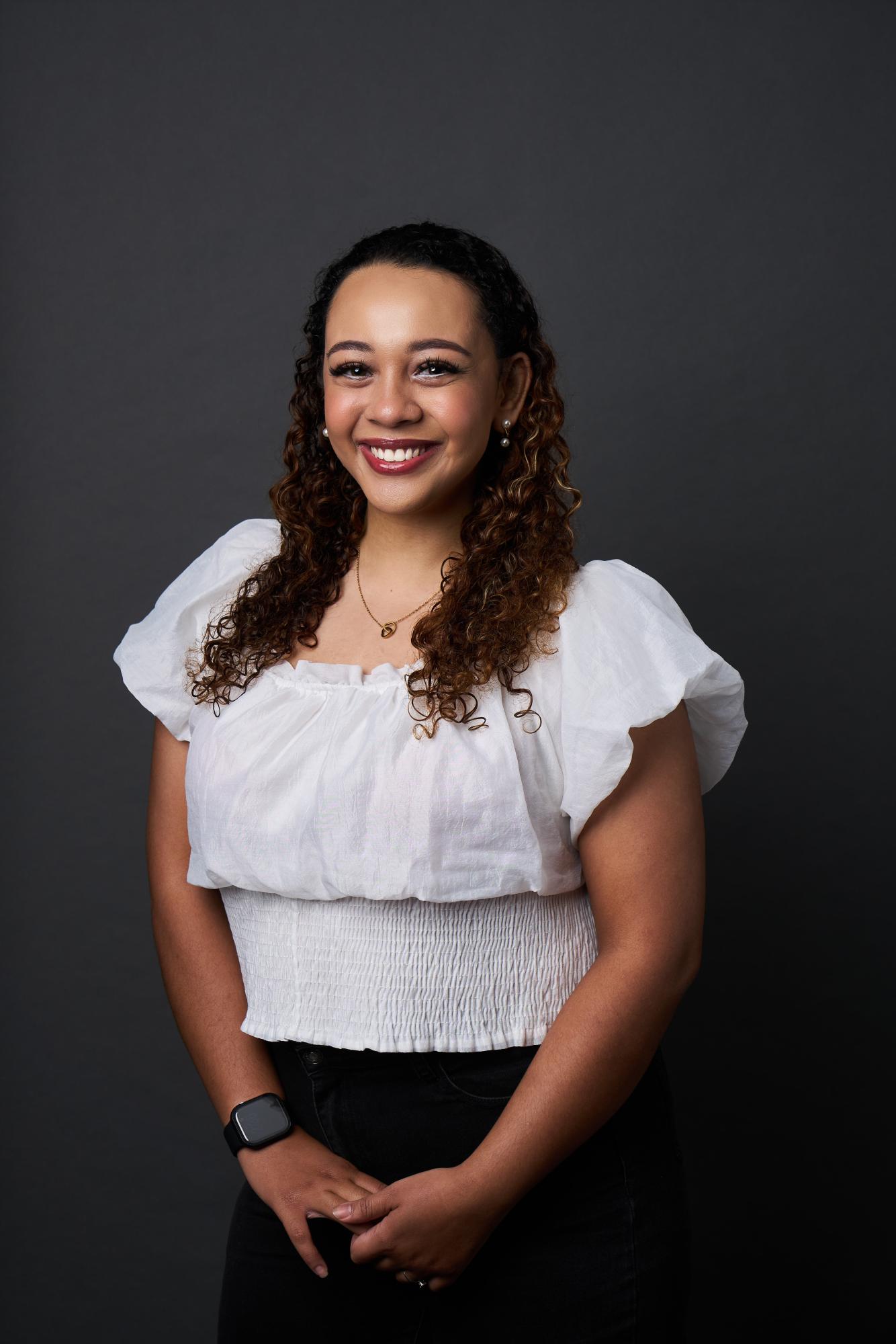
Sharafah Malihah

Trevor Wee
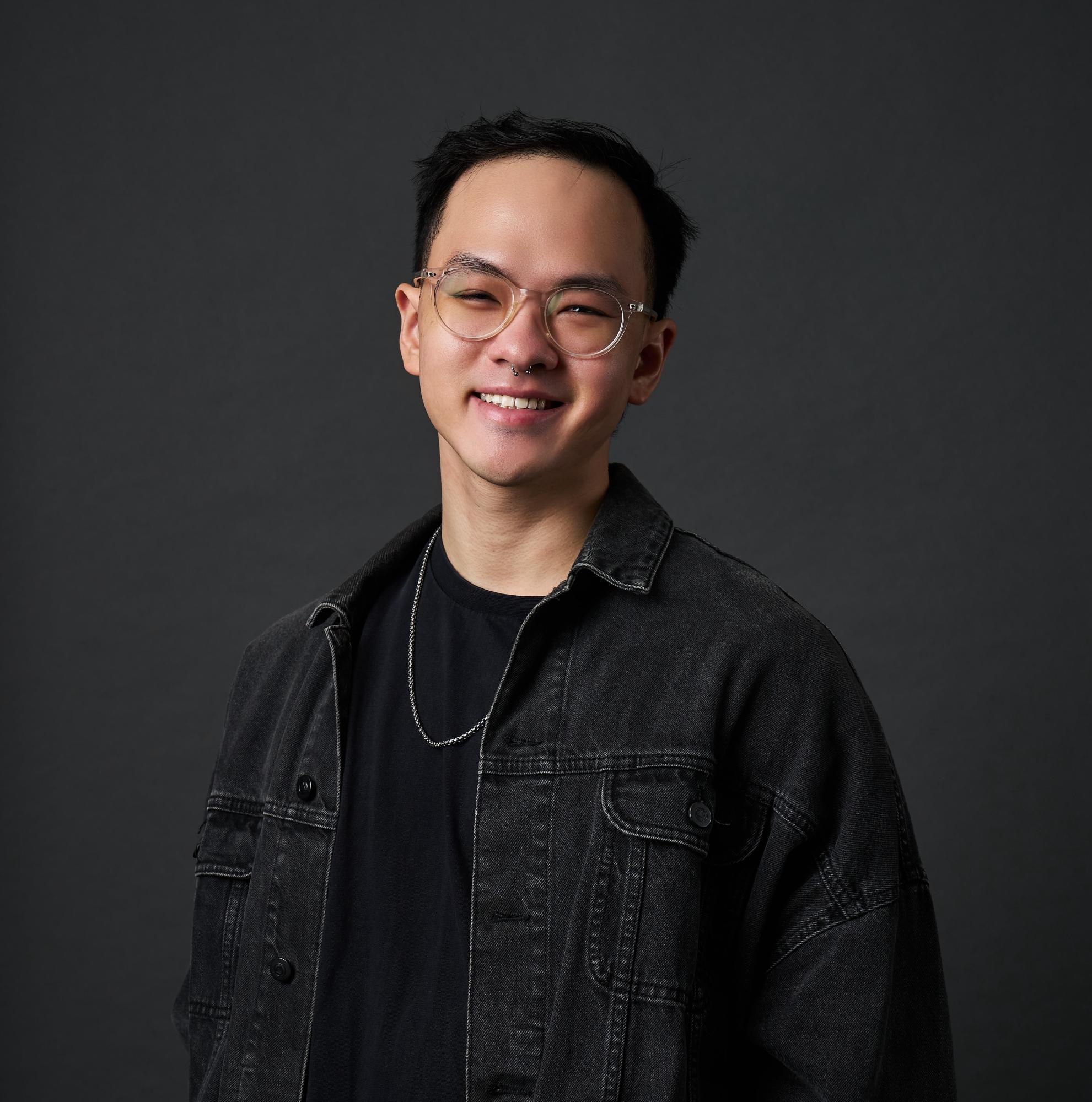
Saw Ying Sin Summer
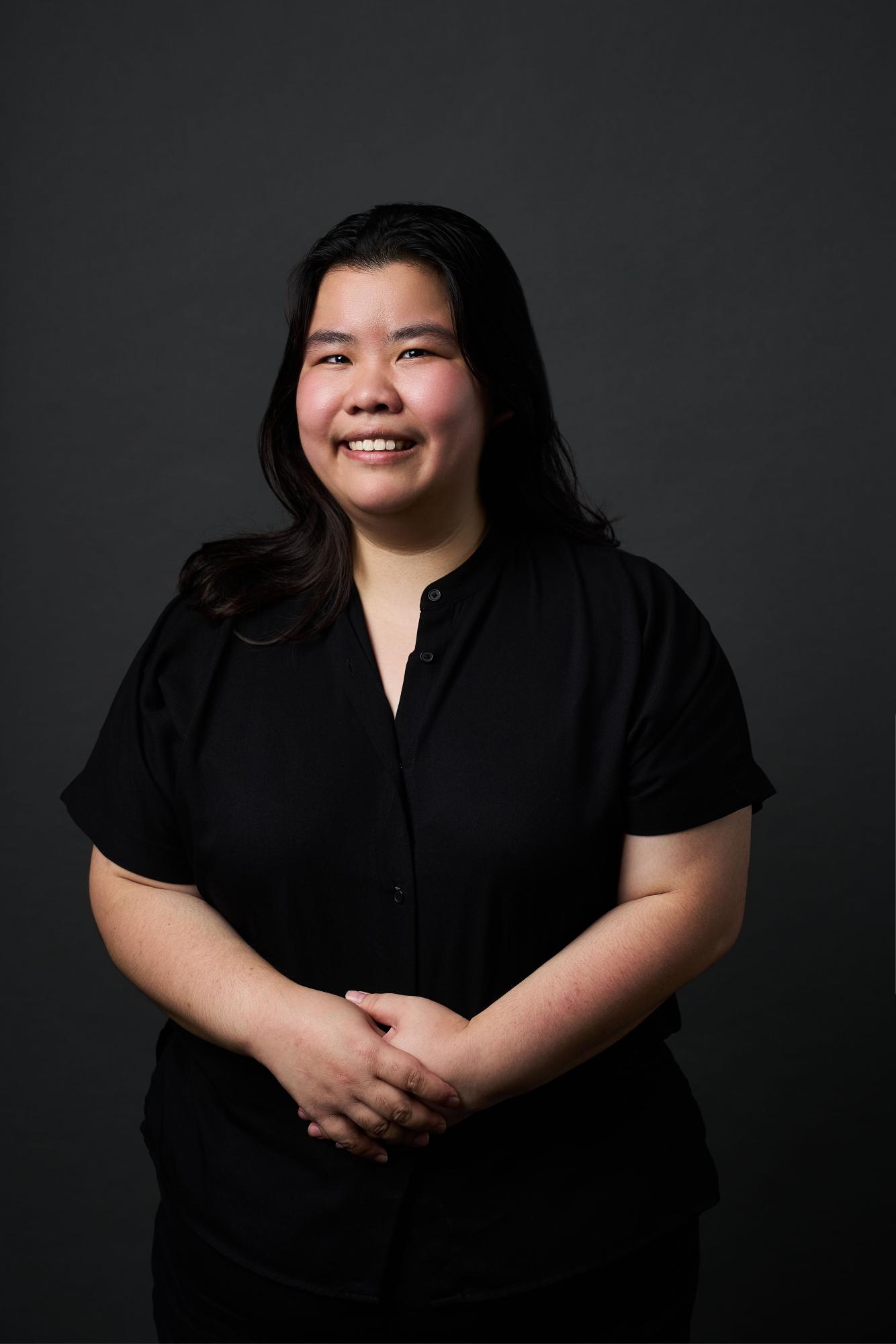
Nurul Syazwani Binte Mohamad Shahril

Jenise Lee