




About
Colin is an arts manager specialising in community arts programming and the music industry.
He builds long-lasting relationships with artists and performers he works with, aiming to cultivate a sustainable art ecosystem. His research interest lies in cross-cultural studies and ethnomusicology.
Colin has a strong foundation in the music and performing arts business. Having served as an artist liaison in LASALLE College of the Arts' Rock and Indie Festival and the Ministry of Culture, Community & Youth's Kaleidoscope Harmony In Motion, he bridges the gap between various stakeholders while preserving artistic integrity and expression of collaborating artists.
He is also skilled in arts marketing, developing community-driven strategies based on a deep understanding of audiences, aimed at driving sustainability and longevity in arts programming.
Comparative Ethnographic Study of Artist Presence and Active Audience Engagement in the Street Music Scene of Osaka and Singapore
This thesis investigates the relationship between curatorial decisions and career sustainability among street musicians in two distinct regulatory and cultural environments: Osaka, Japan and Singapore. While global music industry trends often focus on digital distribution, this research centres on the "physical stage" of the street to understand how aesthetic, material and social processes influence audience engagement and the growth of a musician's domestic career.
Using a comparative ethnographic methodology conducted between November 2025 and March 2026, the study observed performers in the Namba and Shinsaibashi districts of Osaka and at designated busking sites under the Singapore National Arts Council’s Busking Scheme. Data was analysed through Qualitative Comparative Analysis (QCA) and latent analysis of semi-structured interviews and field notes to identify patterns in audience retention and the negotiation of artistic agency.
The findings reveal two primary themes: effective audience engagement and the negotiation of artistic presence. First, the study demonstrates that while material and social processes (such as visual branding and digital marketing) attract initial interest, aesthetic processes—specifically spatial engineering and "segway" conversations between songs—are the primary drivers of active audience retention. These aesthetic choices de-alienate the performer, transforming passersby from passive observers into active participants.
Second, the research highlights that career longevity is predicated on the performer’s ability to perform agency in the face of regulation. Musicians who resist the "exceptional" or "temporary" status of street performance by maintaining a consistent persona during regulatory encounters—such as police interventions in Japan or bureaucratic constraints in Singapore—sustain higher levels of social presence and professional legitimacy.
Ultimately, the study suggests that the success of the Japanese domestic market’s organic engagement model can offer tactical insights for the Singaporean context. It concludes that for street musicians to build sustainable careers, they must shift from viewing busking as a logistical exercise to a persistent social process, leveraging artistic intimacy to foster long-term relationships with their audience.
Professional practice
Colin's professional practice spans artist liaison, arts marketing, market research and music business management.
Katja Marie Kroonenberg

Sri Nor Wakhidatun Nazila

Muhammad Syahrul Syadzwan Bin Mohammad Nazli

Syahirah Afiqah
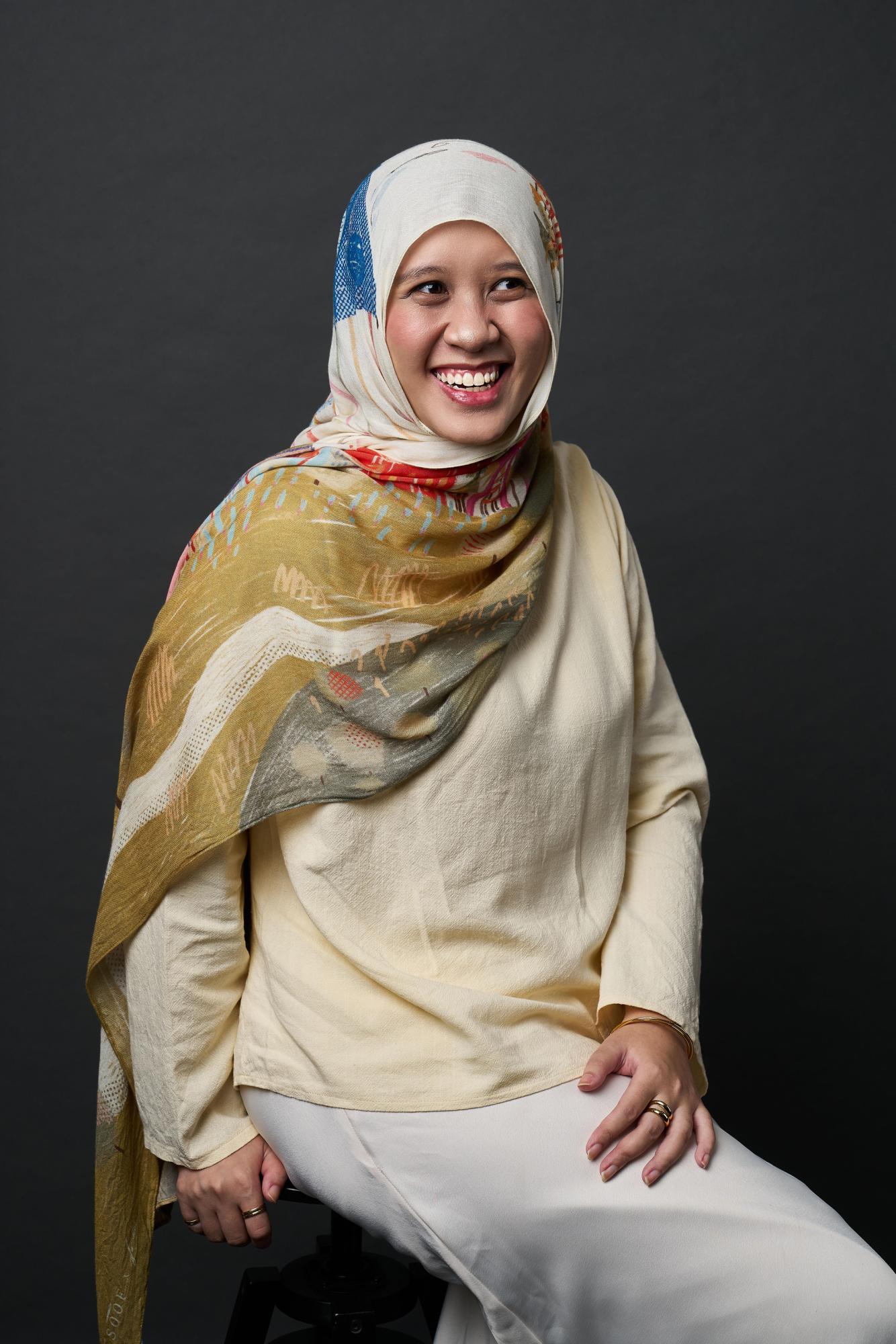
Amirra Wardah Binte Shamsul-Bahari

Ruth Au