



About
Sanjana is a visual storyteller and creative communicator working across fashion media, photography, creative direction and visual communication. Her approach is shaped by observation, intuition and the ability to connect ideas, references, emotions and details in unexpected ways. Rather than following a fixed visual formula, she is drawn to creating work that feels engaging, memorable and connected to a clear sense of mood or experience.
Her creative process often begins with noticing small moments, behaviours, atmospheres or visual details, then translating them into concepts that feel thoughtful and aesthetically refined. She is interested in how fashion can move beyond clothing and become a way of communicating feeling, identity, memory and presence. Whether through a photograph, publication, campaign or visual concept, her work aims to hold attention and leave behind an emotional impression.
With a multidisciplinary approach, Sanjana brings together concept development, image-making, art direction and storytelling to create visual outcomes that feel considered and distinctive. She values work that is both visually strong and emotionally relatable, balancing imagination with clarity. Her practice reflects a curiosity for people, moments and the world around her, allowing her to create fashion narratives that feel expressive, contemporary and personal.
NAMO: to bow is to become still
Knowing / Release
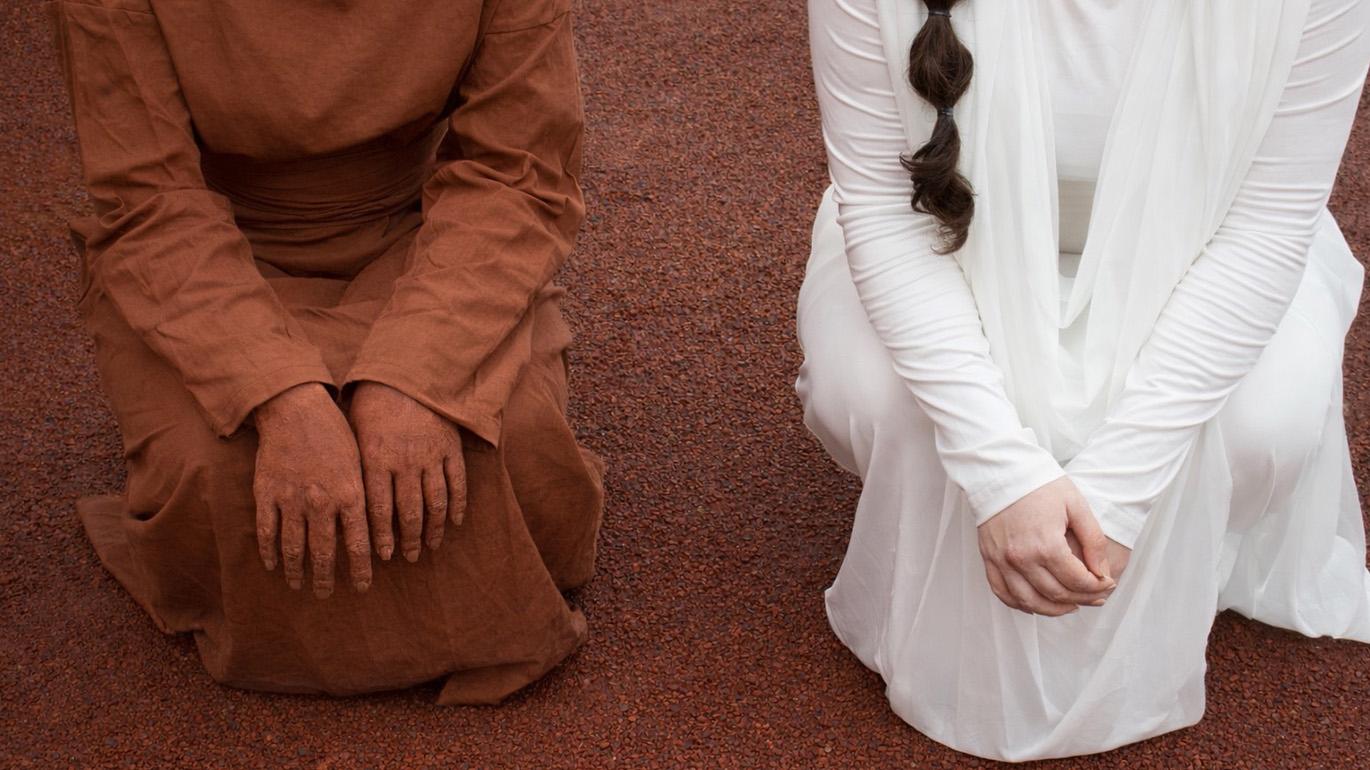
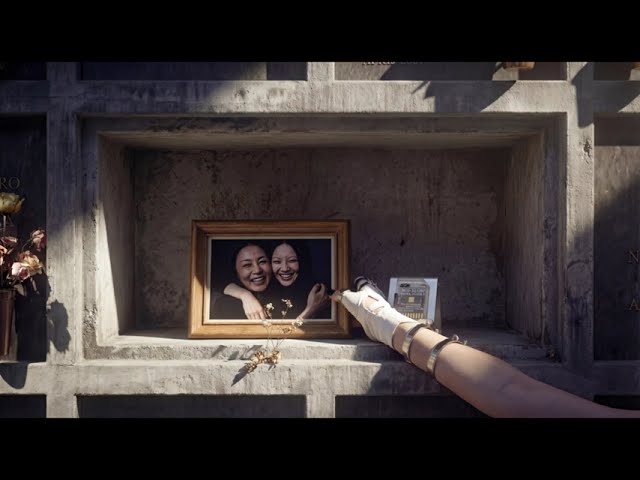
Two states meeting in silence, where touch becomes a quiet passage between awareness and letting go.
Namo is a photo-led fashion publication that explores how Jain philosophy can be translated into contemporary visual storytelling. The word Namo means 'to bow', forming the foundation of the project: to bow not only as a gesture of respect but as a way of becoming still, aware and present. Rather than presenting Jainism in a literal or devotional way, the publication focuses on its quieter values—restraint, non-attachment, self-discipline, inner awareness and respect for life—and reinterprets them through fashion imagery.
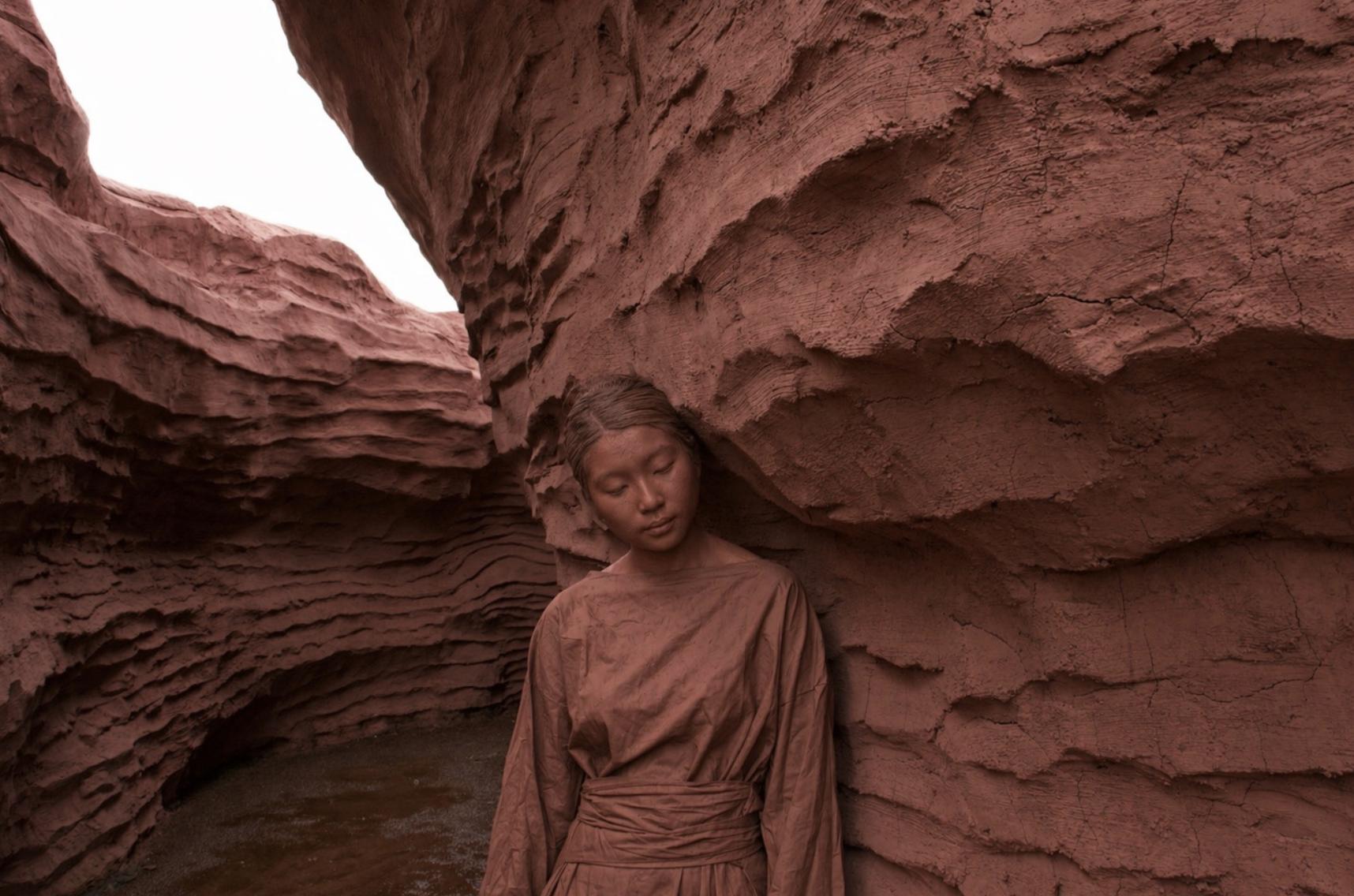
The publication is structured as a visual journey across five stages: beginning, form, holding, knowing and release. These stages are inspired by the spiritual movement from existence to awareness and loosely draw on Jain ideas of the soul’s journey, transformation and detachment. Each stage is represented through a distinct monochromatic colour direction: earthy browns, soft creams, deep black, terracotta and white. Together, these colours create a gradual movement from origin and physical form towards knowledge, stillness and release.
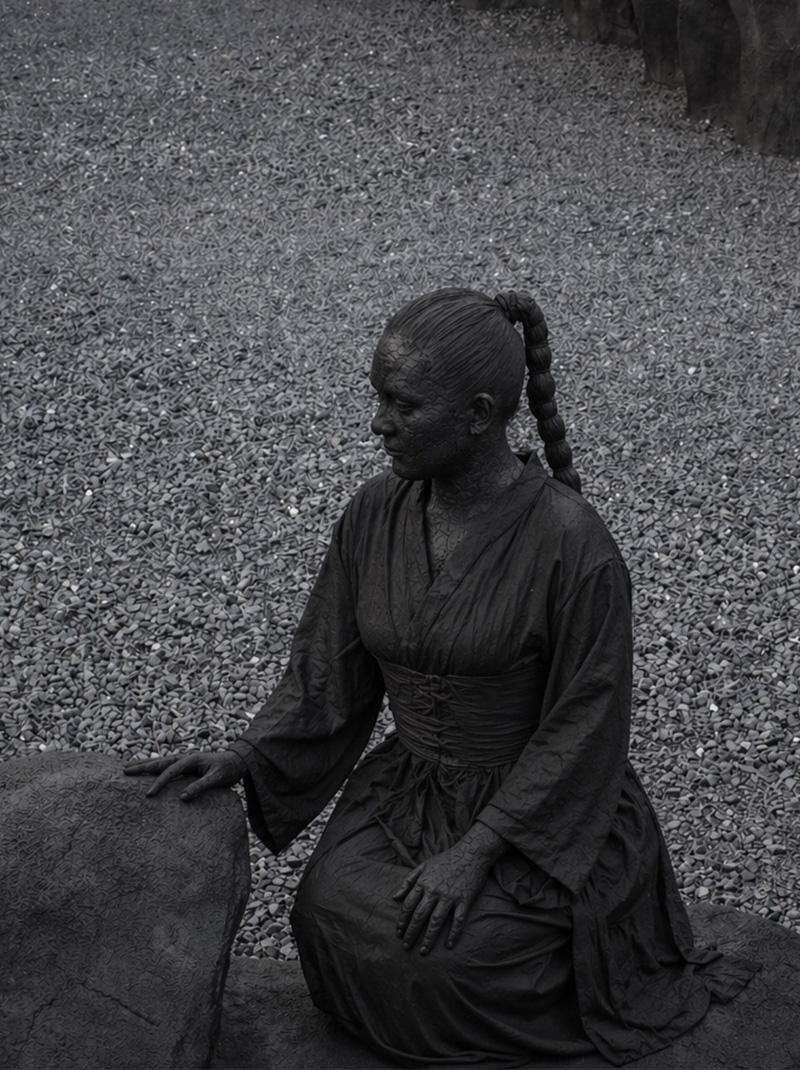
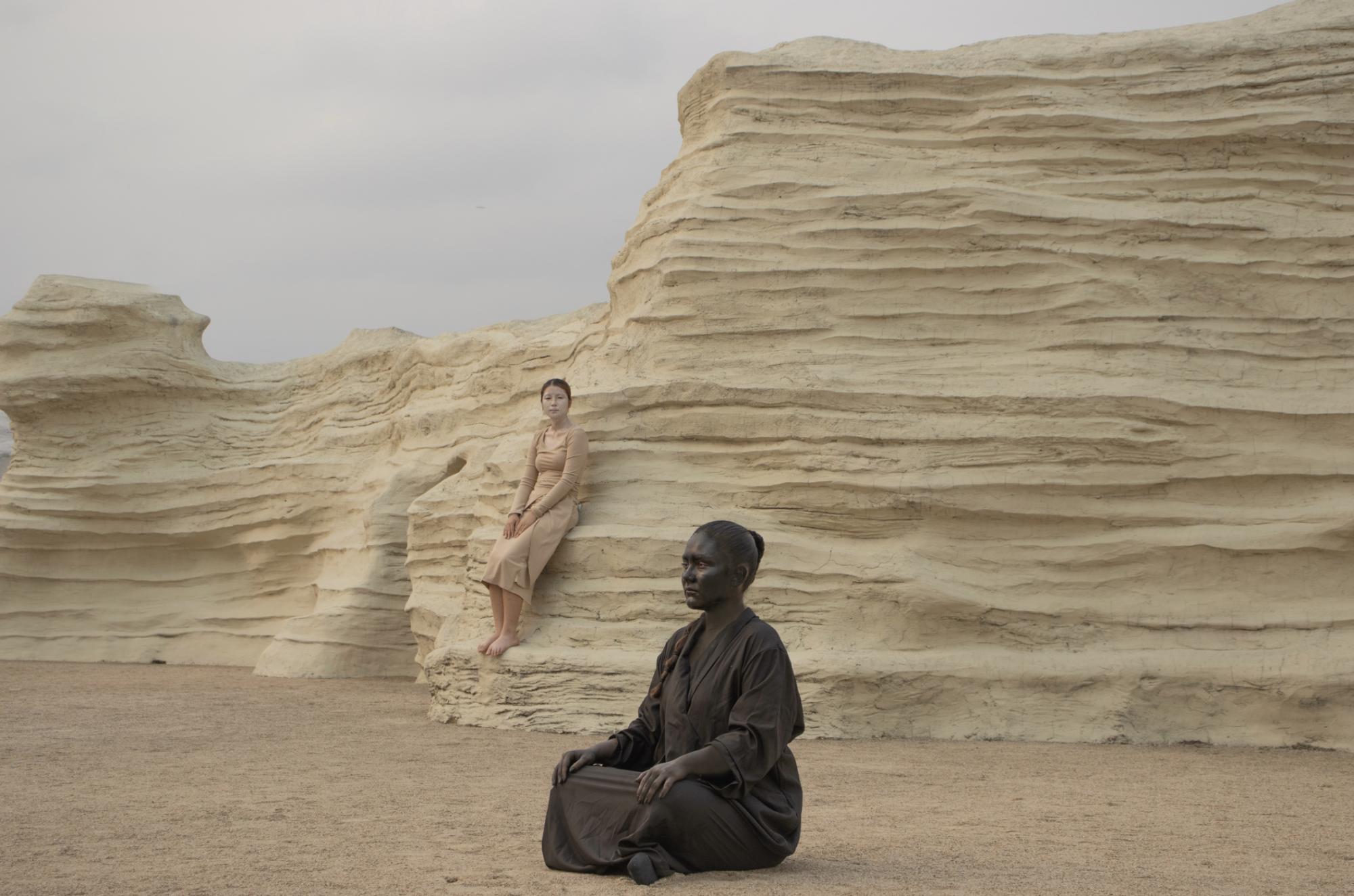
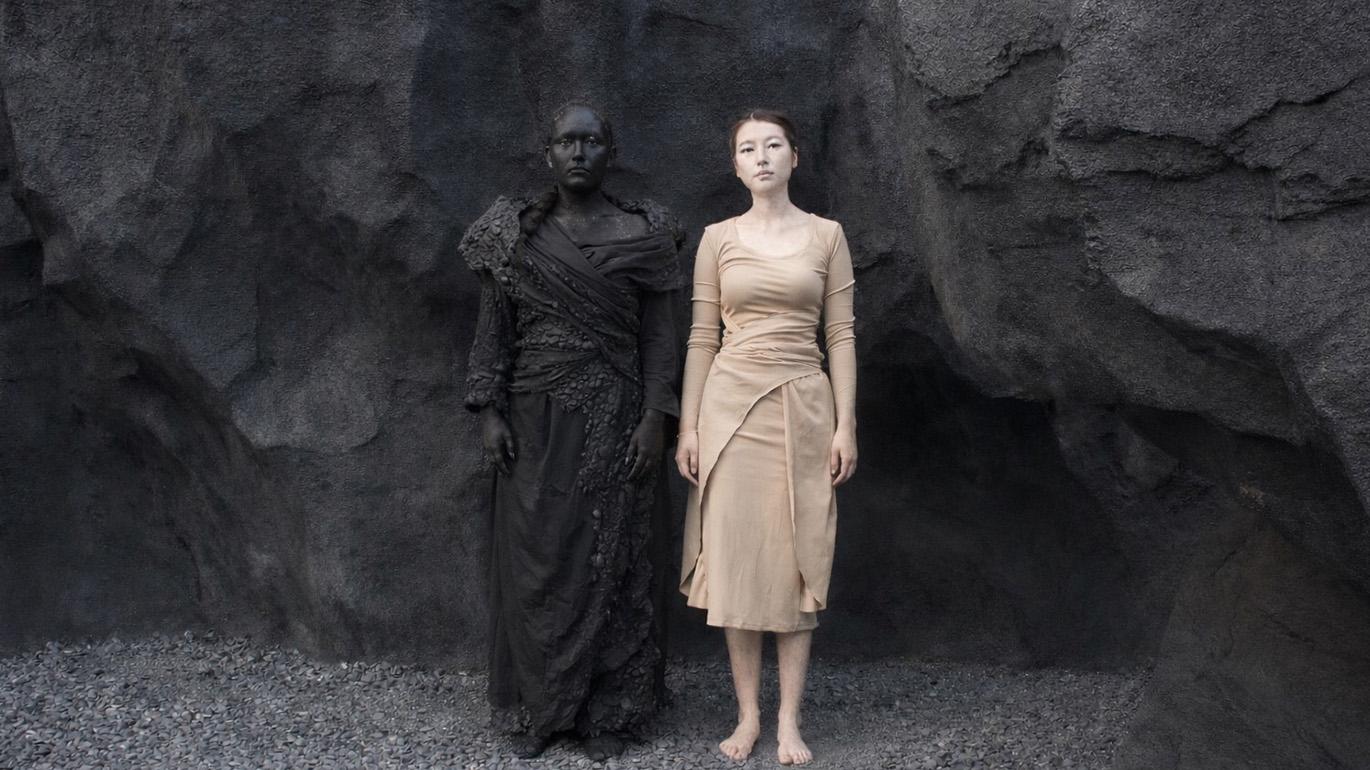
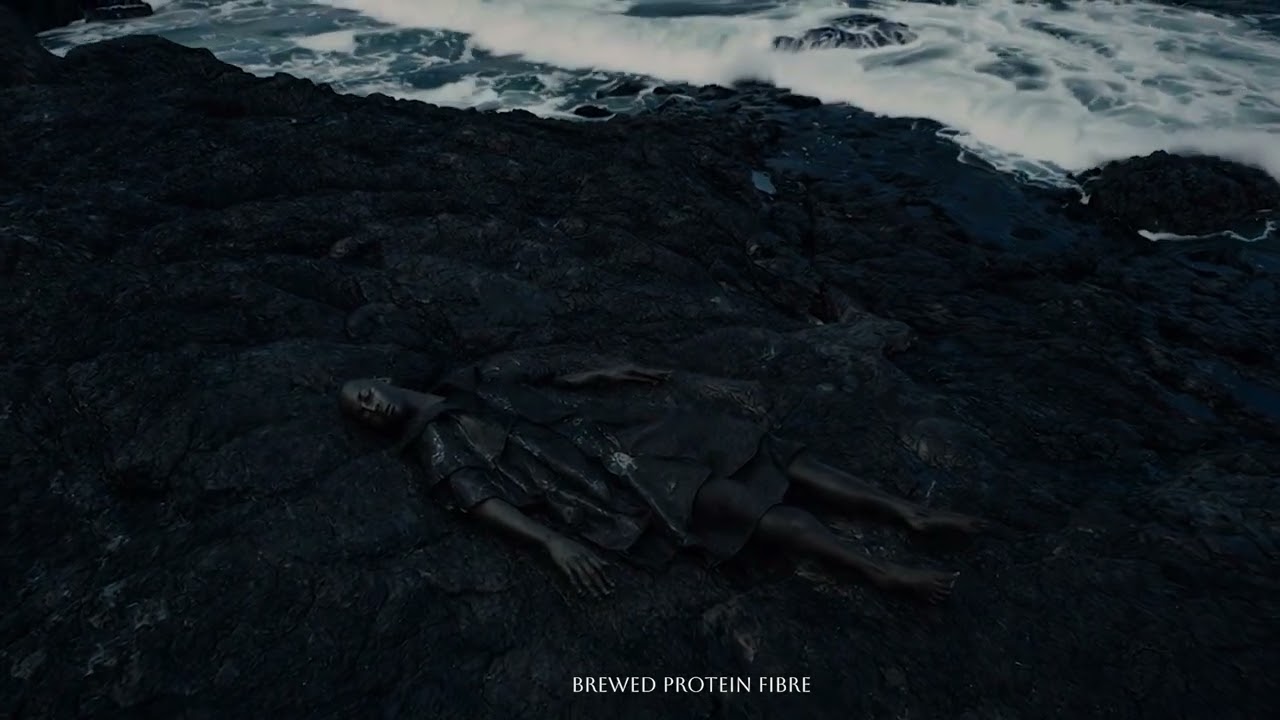
Visually, Namo uses painted bodies, minimal styling, natural textures and restrained compositions to create a statue-like presence. The figures are not treated as characters, but as forms of stillness—quiet, grounded and almost sculptural. The imagery draws inspiration from Jain temple figures, Tirthankara iconography, natural symbolism and the calm authority found in sacred visual traditions, while still remaining within the language of contemporary fashion and editorial image-making.
Designed as an image-heavy photobook, Namo invites viewers to slow down and experience fashion through atmosphere, silence and presence. It positions fashion not only as a space for clothing and aesthetics, but also as a medium for reflection, sensitivity and meaningful visual communication.
Holding
A study of endurance, where the body remains still while carrying the weight of becoming.

Stillness under pressure, where endurance becomes a quiet form of strength.

Holding / Form
Two bodies standing in contrast, where softness meets endurance and presence becomes still.
Piyaa Jayesh Kumar
Nadiah Asyiqin Binte Sulaiman
Wang Yuwen
Deeptha D/O Selva Kumar
Wu Yunshan
Venus Chai Xin Ying