


About
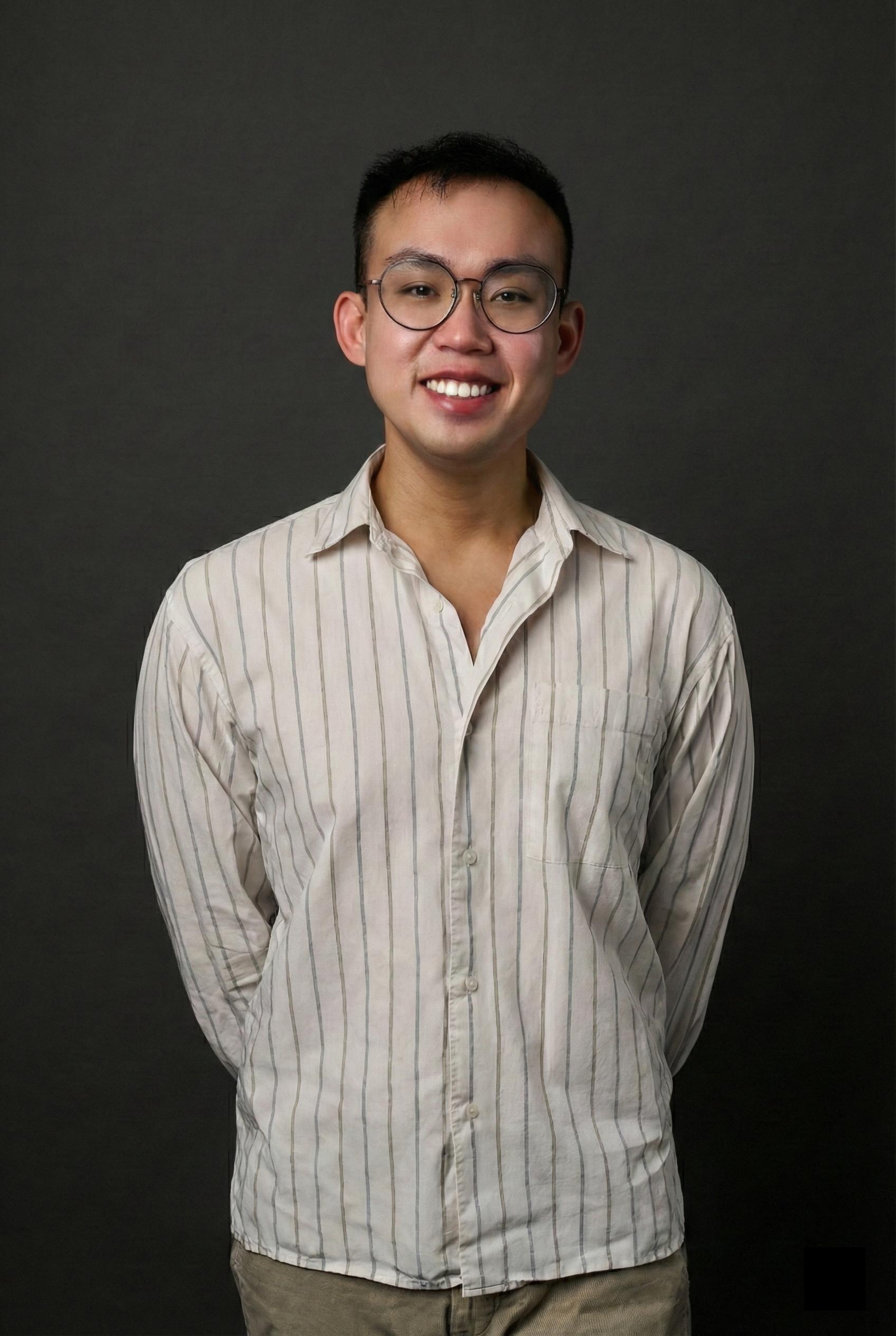
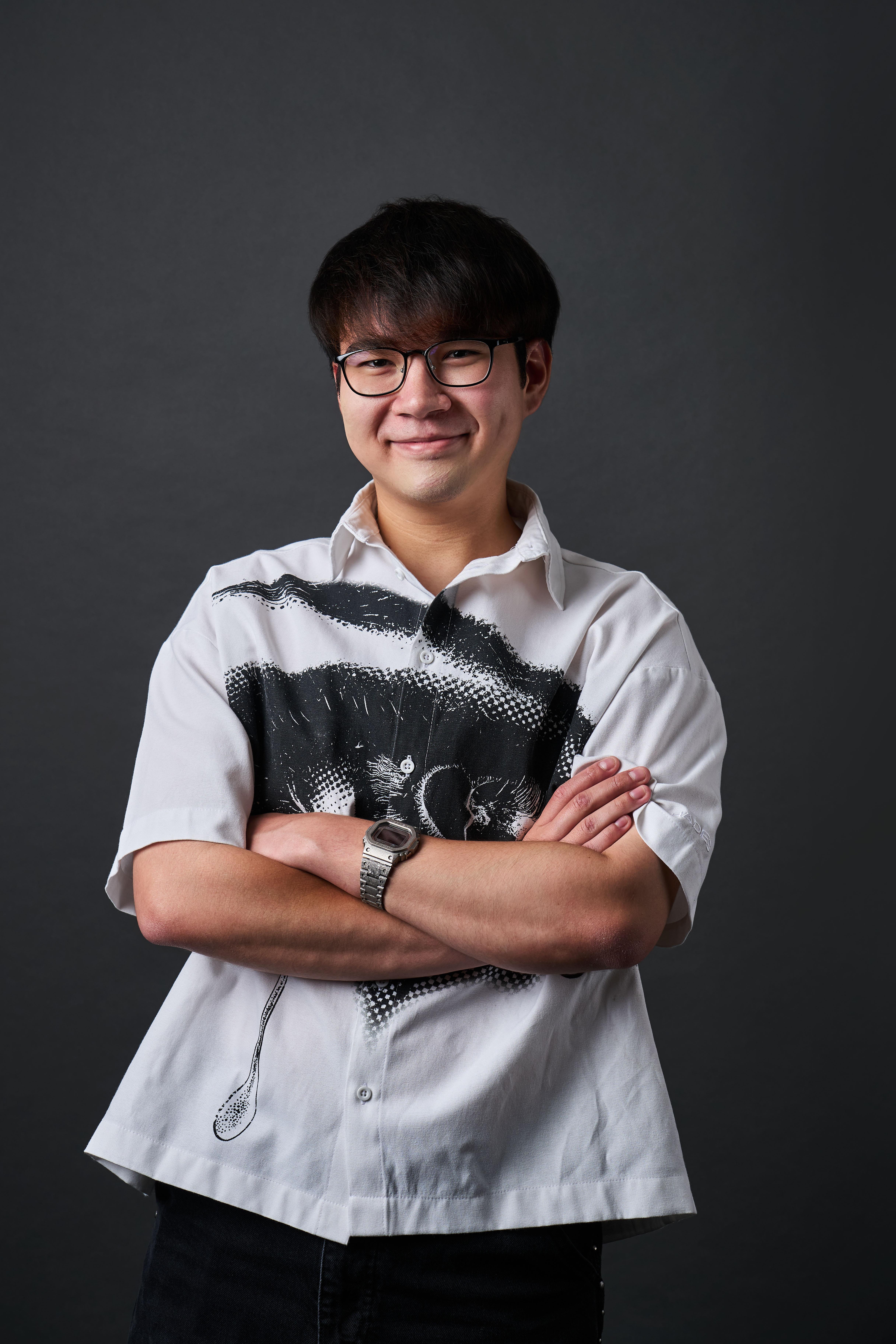
Daniel is an emerging arts manager completing his BA (Hons) in Arts Management at LASALLE College of the Arts. He has worked across heritage, theatre, visual arts and marketing, with a strong track record in multidisciplinary collaboration.
Most recently, Daniel led Wear it, Share it, an award-winning, campus-wide sustainable fashion initiative at LASALLE, raising 55 kg of clothing for donation to the Red Cross Singapore. Created for this initiative, Pawprint, an interactive art installation has since been exhibited at Ngee Ann Kongsi Library and DUO Galleria.
He has also collaborated with organisations such as Whitestone Gallery and Singapore Heritage Society. Beyond his project work, he has participated in the Sibiu International Theatre Festival as an invited panel speaker and the inaugural Critical Ecologies (Shared Campus) trip to Yogyakarta.
Daniel combines creative vision with strong organisational skills to foster innovation in the arts. Passionate about the artistic process, he thrives on transforming ideas into meaningful projects that engage audiences, deliver value and advance the arts.
Following graduation, Daniel plans to transition into a professional career in arts management, with a focus on events management. He also hopes to develop a platform that makes the arts more accessible and meaningful to diverse audiences, ensuring that creative experiences can resonate widely beyond traditional institutional settings.
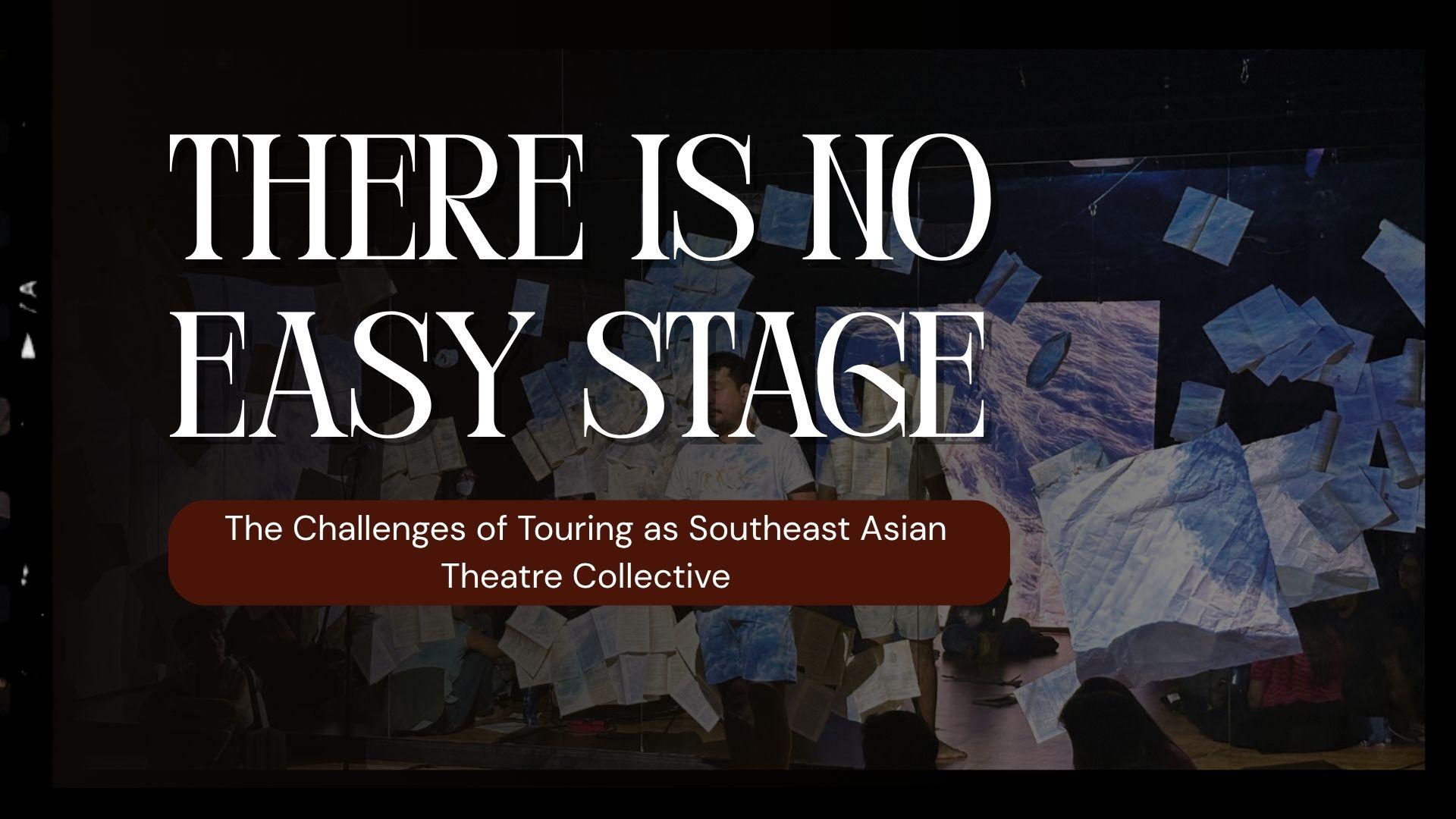
There Is No Easy Stage: Southeast Asian theatre and the challenges of international touring
This dissertation investigates the sociocultural, economic and political barriers that shape the international touring practices of Southeast Asian theatre collectives, focusing on Five Arts Centre (Malaysia) and For WhaT Theatre (Thailand).
Drawing on the conceptual framework of cultural mobility, this study situates international touring as a process conditioned by structural inequalities rather than a neutral exchange. Through document analysis and semi-structured interviews with industry practitioners, the research highlights the strategies used by these collectives to sustain mobility in fragmented policy landscapes and precarious funding conditions.
The findings show that local rootedness remains central to creative practice, with works primarily created for domestic audiences, while international circulation often emerges reactively through festival invitations. This positions festivals and cultural platforms as key sociocultural mediators. Economic precarity compels practitioners to diversify income streams, constraining their capacity to tour internationally.
Within this context, strategies such as licensing and co-productions emerge as partial solutions to mitigate financial constraints. Political regulation and censorship further complicate circulation, with restrictions largely enacted domestically, while soft power initiatives abroad shape opportunities and funding.
This study documents empirical evidence of grassroots strategies rarely captured in existing literature, highlighting how these collectives negotiate survival locally while adapting to global circuits. It argues for greater regionally rooted infrastructures and explores alternative touring frameworks to strengthen resilience, ensuring Southeast Asian theatre collectives continue circulating their work meaningfully across borders despite persistent structural challenges.

Pawprint was commissioned for Wear It, Share It (2026), created in collaboration with Fashion Parade. It calls for care, accountability and creative responsibility in how we consume and create.
The sculpture’s name is a quiet provocation as it playfully echos the carbon footprint we leave behind, while serving as a reminder that even gentle steps can have lasting impact. The polar bear, often associated with melting ice caps and environmental loss, is reimagined here as a playful yet powerful figure. Made entirely from 15kg of textile and cardboard waste, Pawprint was brought to life with the support of volunteers, transforming excess into expression.
Following the event, it has been showcased at
– Ngee Ann Kongsi Library (10 Feb–30 Mar 2026)
– DUO Galleria (1–30 Apr 2026)
Professional practice
Daniel is interested in events management and connecting with diverse stakeholders, combining creative vision with strong organisational skills to foster innovation in the arts and transform ideas into meaningful projects that engage audiences, deliver value and advance the sector.
Panel speaker at Sibiu International Theatre Festival (FITS)
Daniel was invited to present his research paper 'Behind the Curtains of Singapore Repertory Theatre’s After Life' at the International Student Forum at FITS in Sibiu, Romania, one of the largest non‑formal educational programmes in the field of performing arts and cultural management.
He contributed to sectoral discussions and gained valuable insights into international practices and collaborative approaches. Through these experiences, he has actively contributed to conversations on building a more connected, sustainable, equitable and inclusive international cultural ecosystem.
Wear it, Share it
As the project lead for Wear It, Share It (2025–2026), Daniel conceptualised and guided a student and volunteer team to deliver a sustainable fashion event featuring a clothes swap, a donation drive, an art installation and a workshop booth.
Supported by the National Youth Council and LASALLE College of the Arts’ School of Creative Industries, the initiative won the Sustainability Project Competition 2025 for its creative approach to community engagement.
The project engaged 130 participants and collected 55kg of clothing for the Red Cross Singapore, while securing partnerships with Fashion Parade, Singapore Fashion Council and The Fashion Pulpit.
Trans/Mission Seminar 2026
Daniel was invited as one of 32 BA (Hons) students from LASALLE's eight Schools to present his dissertation, 'There Is No Easy Stage: Southeast Asian Theatre and the Challenges of International Touring', to an audience of industry professionals, students and staff across disciplines.
The session highlighted the barriers Southeast Asian theatre collectives encounter in bringing their work abroad, an the strategies they use to sustain mobility despite these challenges. This opened discussions on how practitioners, educators and institutions might work together to build more equitable and sustainable pathways for international touring.
Critical Ecologies (Shared Campus)
Daniel was selected as one of 25 students from PhD, MA and BA programmes worldwide to participate in an immersive field study in Yogyakarta, Indonesia.
The programme brought together local artists and international peers to critically examine the intersection of arts and ecology. Through workshops, site visits and collaborative dialogue, they explored how artistic approaches can respond to environmental challenges while engaging communities.
The experience culminated in a collective creative project that integrated local knowledge with global perspectives, underscoring the importance of cross‑cultural collaboration in addressing ecological concerns through the arts.
SAMA SAMA - Whitestone Gallery
Daniel supported the curatorial research and content development of Sama Sama, a catalogue featuring 60 artists presented by Whitestone Gallery for SG60.
He gathered and synthesised artist information to ensure the catalogue reflected both artistic diversity and sector relevance. This process required close collaboration with the curatorial team to shape the catalogue’s thematic direction and highlight the breadth of practices represented.
By contributing to both research and editorial development, he created a resource that not only documented the participating artists but also provided audiences with meaningful insights into contemporary artistic practices.
LASALLE Graduation Show 2026: BA (Hons) Arts Management
As curator, Daniel facilitated the conceptualisation, organisation and presentation of eight student projects.
He developed the theme, coordinated with graduating students and liaised with faculty and technical teams to ensure smooth delivery. By managing timelines and exhibition design, he positioned the show as both a celebration of student achievement and a platform for sector dialogue.
This curatorial experience allowed him to deepen his skills in thematic development, project management and collaborative exhibition‑making, while learning how to translate student work into a cohesive public‑facing showcase.
Dina Khaled

Choo Jing Wen

Veronica Lee
Katja Marie Kroonenberg

Audrey Khoo Jing Wen

Budy Hartono Foo Bin Abdul Rahman