

Nicholas Koh Mui Kiat



About
Nicholas Koh is a creative technologist and service product designer working at the intersection of AI and human-centred design. He believes the tools now available to designers have fundamentally changed what's possible, and that the responsibility to shape that future thoughtfully has never been greater.
His practice is grounded in a simple conviction: good service design solves problems where people least see it. He begins with finding the human friction beneath every surface—the gaps and unmet needs that quietly shape everyday life—then works backward into form. This problem-first approach drives him to execute concepts and creative direction that aim for real-world impact across wider audiences, not just elegant solutions for niche users.
Nicholas approaches AI not as a novelty or a shortcut, but as a meaningful collaborator—a tool that, used with intention, can make digital products more anticipatory, more personal and ultimately more useful. His work explores how this shift can deepen rather than dilute the craft of design. Whether prototyping new product concepts, building digital tools, or shaping creative direction, Nicholas approaches each project with curiosity and a bias towards making. He values iteration over perfection, warmth over sterility, and ideas that hold up beyond the screen.
He is driven to craft experiences at the heart of everyday life, building digital spaces where access is bridged for everyone.
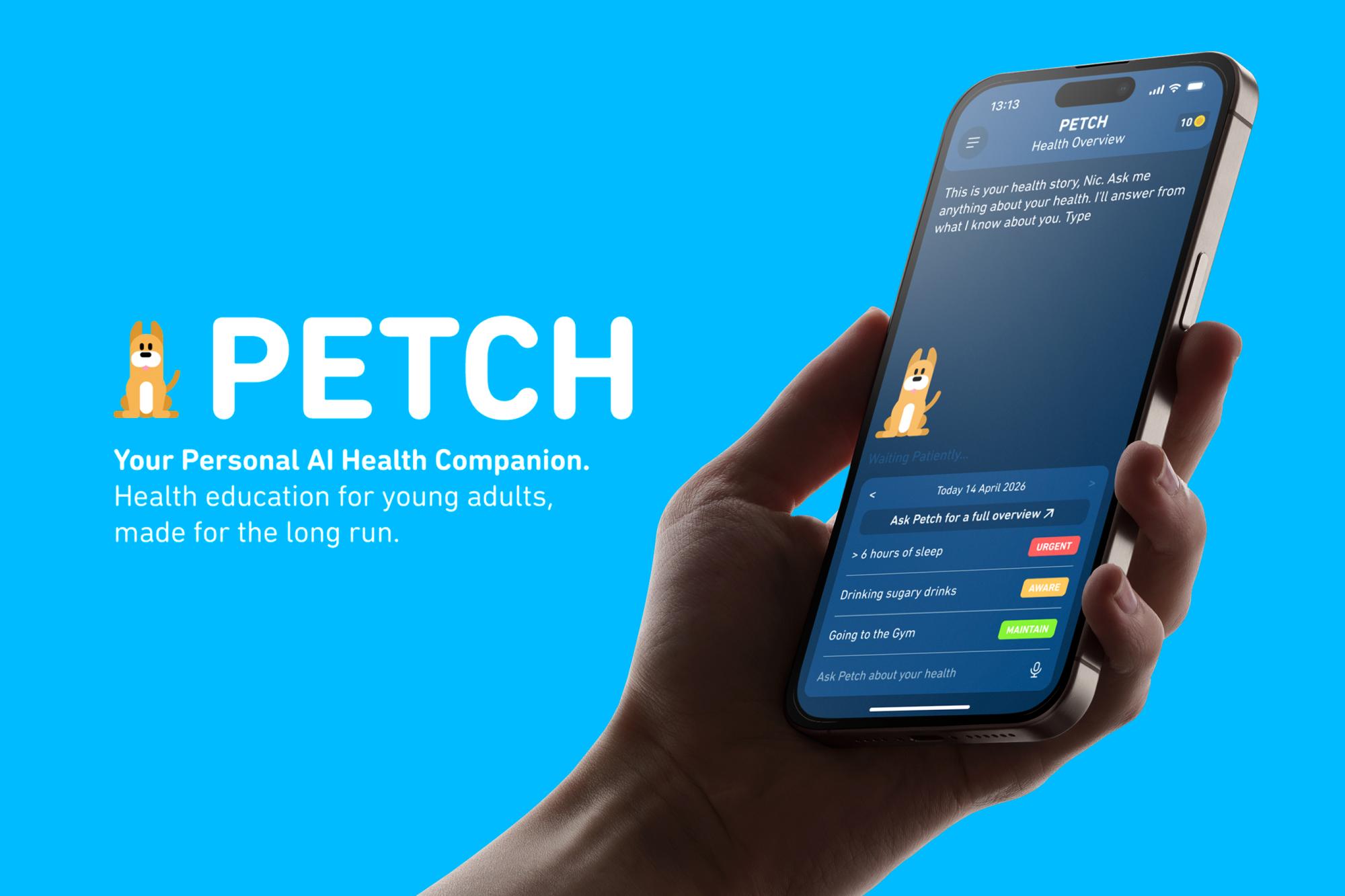
Petch: Gamified AI Health Companion

Petch is a gamified AI health companion app designed to bridge the "knowing–doing gap" in young adults' health literacy. Grounded in the philosophy of Digital Omotenashi, an anticipatory and personalised approach to care, Petch pairs an AI chat interface with gamification to turn knowing into learning, using daily check-ins and missions to drive lasting, healthier change from knowing to doing.


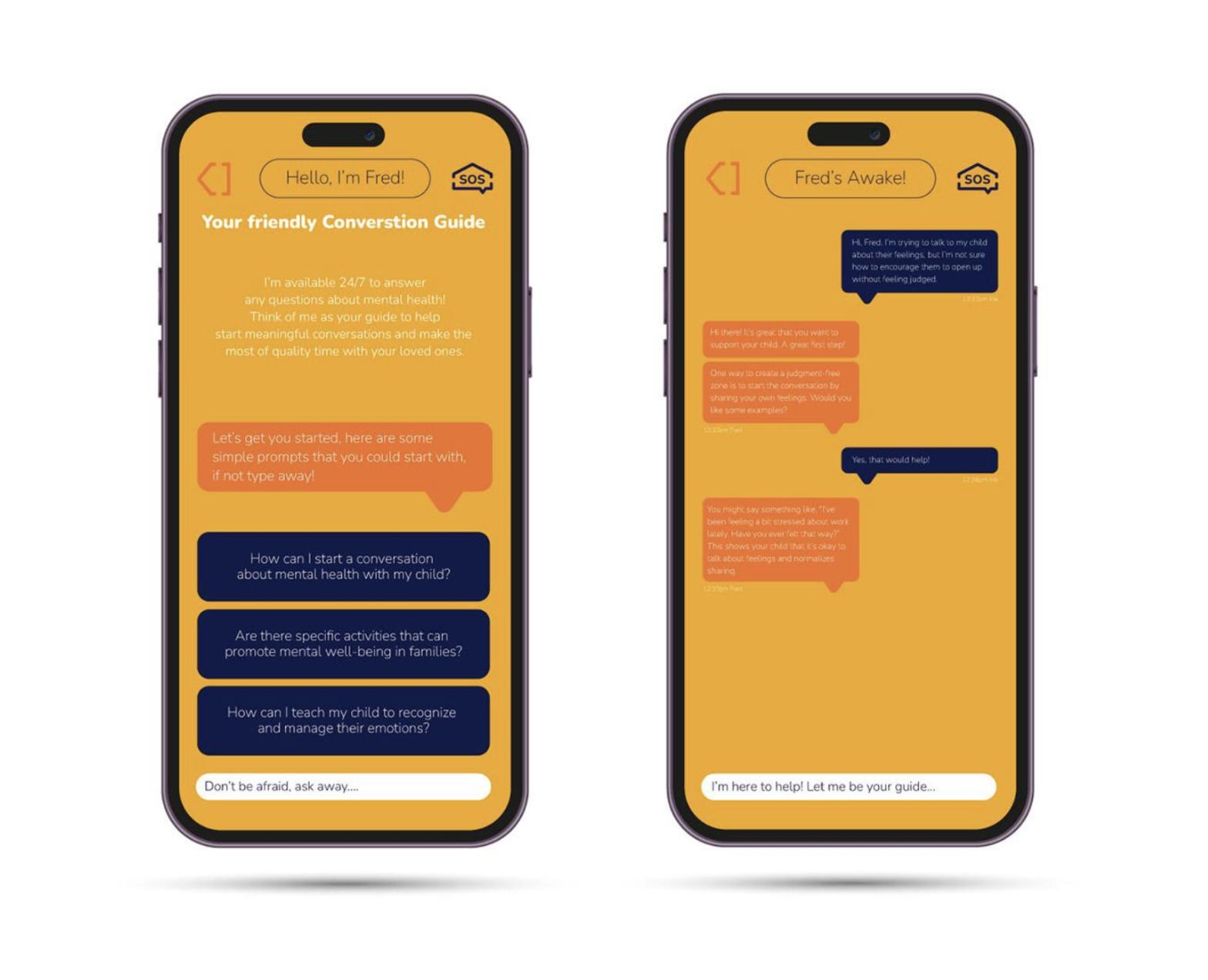
Samaritans of Singapore branding campaign

Nicholas and his team's StartsAtHome campaign rebrands Samaritans of Singapore (SOS) by shifting its focus from immediate suicide prevention to early engagement.
The campaign encourages open family conversations, fostering early engagement in mental health discussions. By promoting vulnerability and communication among youth, it aims to build a generation that is emotionally resilient and better equipped to navigate challenges. Strengthening these connections can contribute to happier, healthier children and ultimately reduce youth suicide rates.

Mama Lemon rebranding
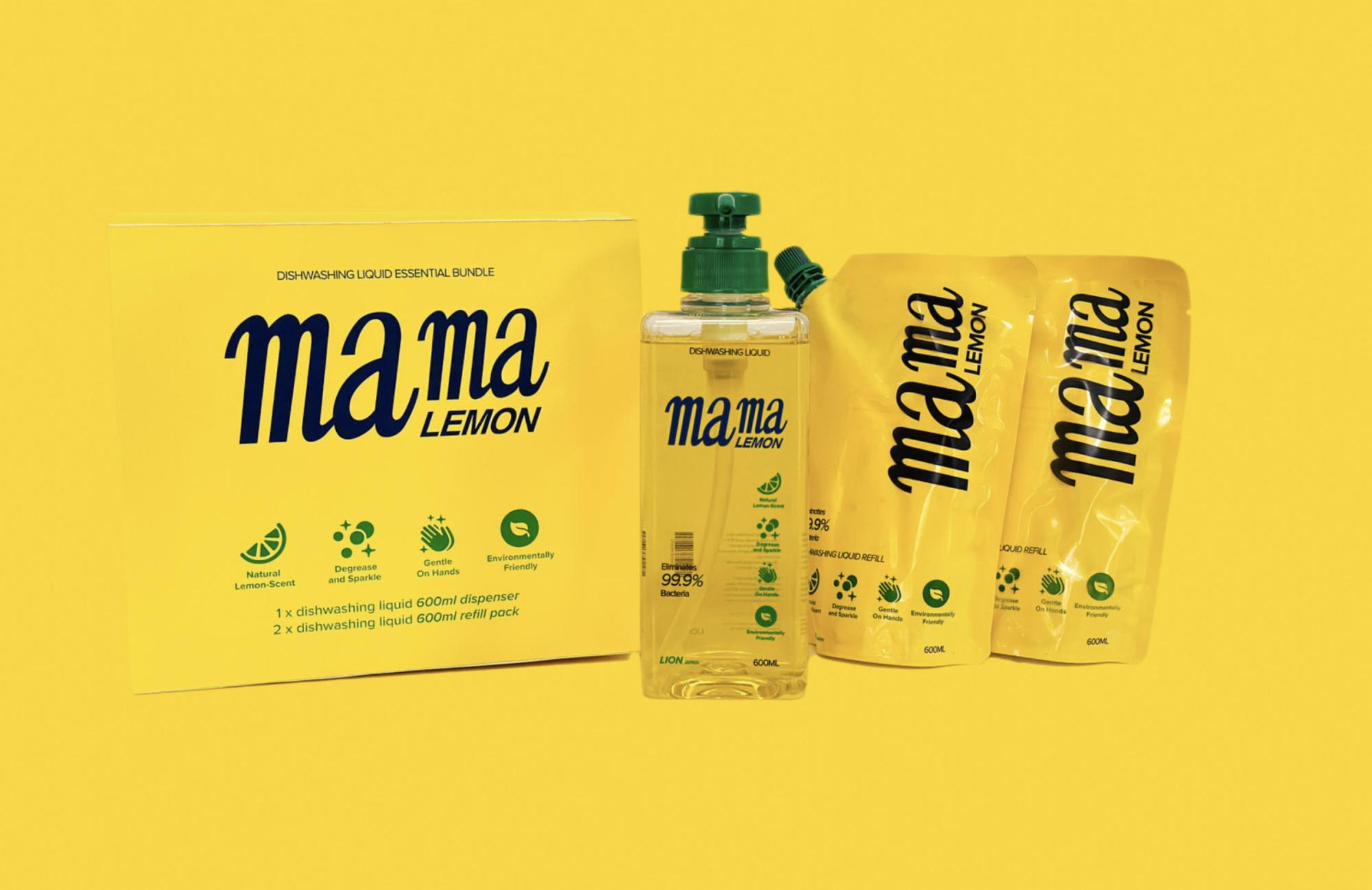
This reimagination of Mama Lemon’s packaging is a fresh Gen Z-focused redesign. It transforms the once cluttered and outdated visuals into something clean, modern and engaging. Built on insights from interviews and user testing, the updated look brings a sense of playful energy while embracing a minimalist aesthetic that feels contemporary and advanced from its past.


Eng Li Wen

Quek Yu Tong

Tanaya Pendharkar

Lee Seungyeon

Ren Yiwen

Trisha Sharma