



About
Parisha’s path in interior design is rooted in conceptual and spatial thinking, exploring how space shapes experience through movement and interaction, as well as the relationship between public and private realms.
With a curious and open mindset, she approaches design as both a creative and analytical process. A hardworking and dedicated individual, Parisha is eager to continuously learn and grow through new challenges.
Beyond the Facade: Living Cultures Within the Singapore Shophouse
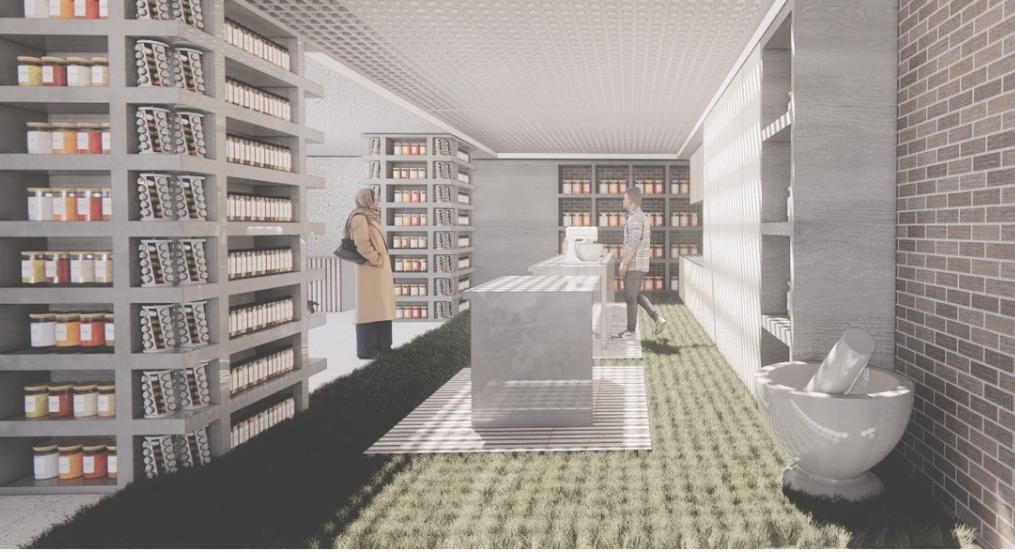
A semi-open preparation area in the Little India shophouse, where the aroma and visual richness of spices shape an immersive spatial experience, connecting the activity of the shop with the living spaces above.
Reinterpreting the Shophouse as an Experiential Tourist Lodging
Singapore’s shophouses are a defining part of its urban landscape, reflecting diverse cultural identities, yet they are often experienced only through their facades or ground-floor commercial spaces. The deeper experience of living within them remains largely inaccessible.
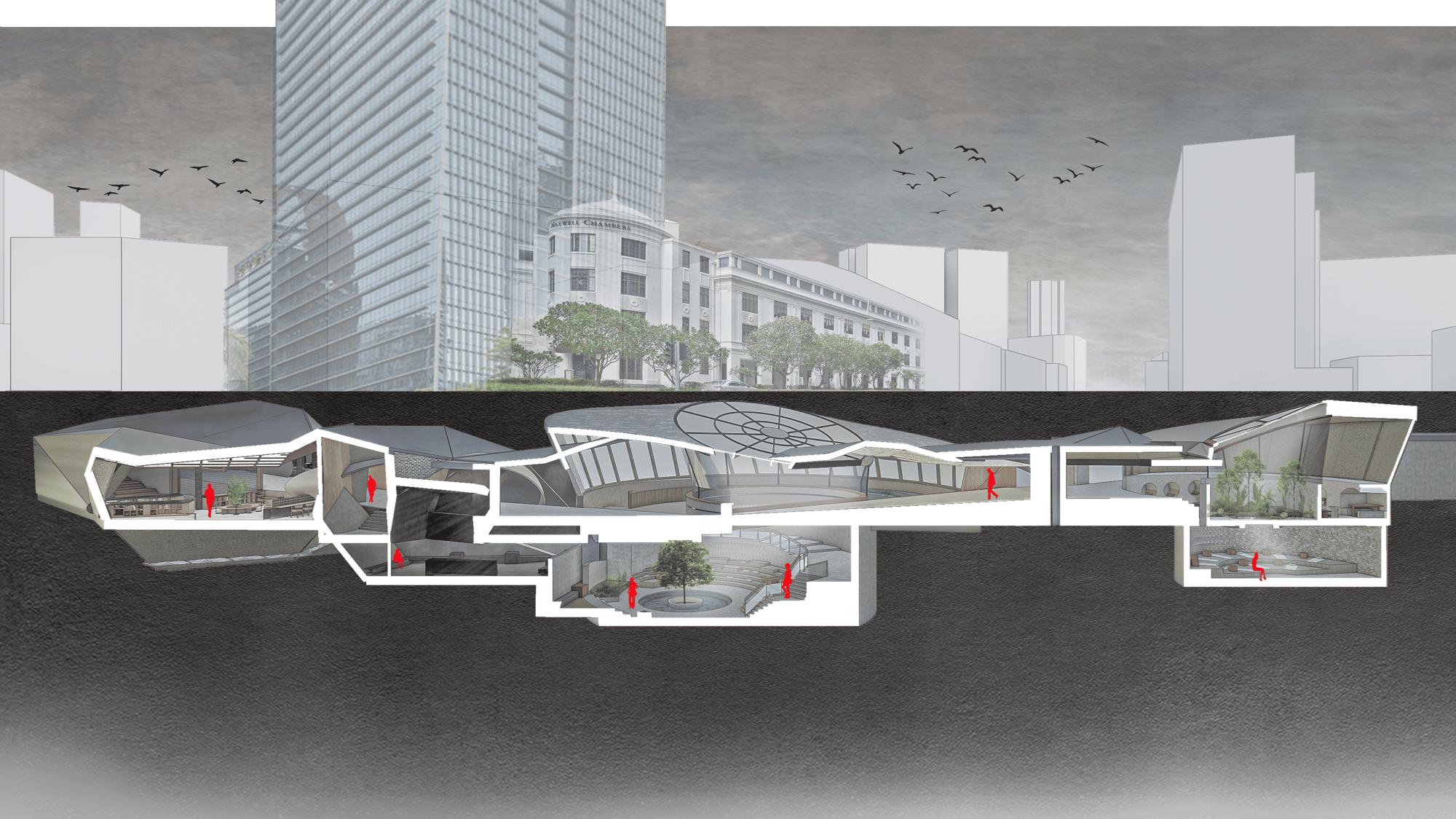
This project reimagines shophouses as experiential tourist lodgings, shifting them from static heritage objects to lived environments. Retaining the traditional shop-and-home structure, each intervention introduces new programs across three districts: Little India (a spice shop), Joo Chiat (a bookstore), and Chinatown (a Chinese herbal medicine shop), translating cultural identity into distinct spatial experiences.

Little India: Openness and Sensory Immersion
Sensory Spice Display
An open and immersive spice experience space where aroma, texture and visual richness engage visitors while maintaining visual continuity across the interior.

From Sensory Retail to Private Living
The semi-open spice display and retail space encourages movement, exploration, and sensory interaction through the layered arrangement of spices and materials, while the bedroom above transitions into a calmer and more intimate living environment that maintains openness through filtered light, ventilation and visual connectivity.

Joo Chiat: Interaction and Diagonal Movement
Interactive Bookstore & Reading Space
The bookstore uses diagonal movement paths and reading alcoves to encourage exploration, interaction, and visual connectivity throughout the interior.

Central Courtyard & Community Space
A well-lit courtyard extends across all three floors, connecting communal spaces through diagonal circulation, light, and ventilation.

Private Living Within a Connected Interior
Privacy screens and visual openings create a calmer living environment while maintaining connection with the shared spaces below.

Chinatown: Linear Order and Spatial Sequence
Medicine Display & Transitional Communal Space
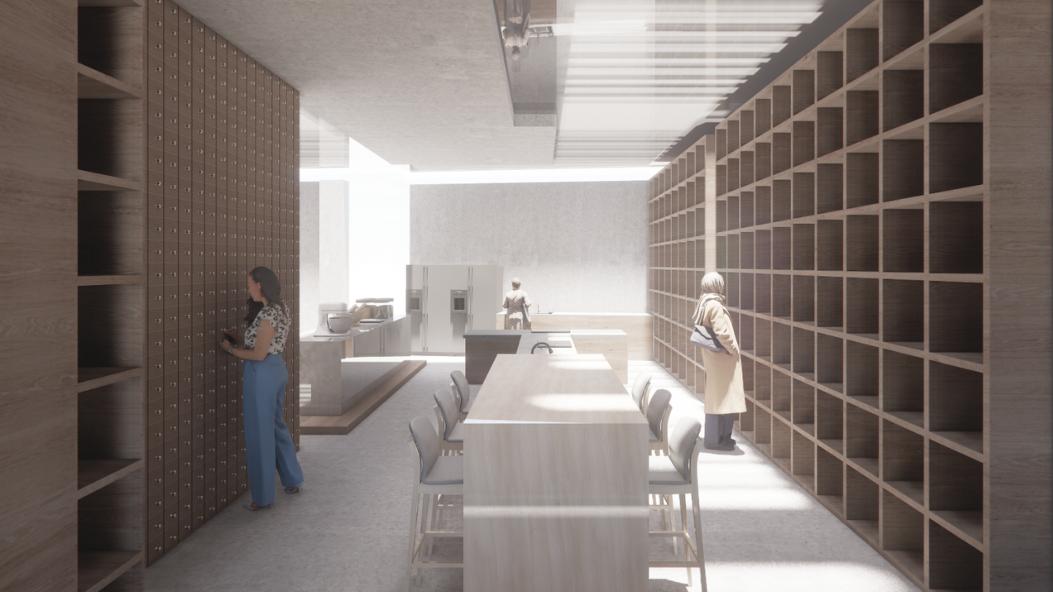
A linear and structured environment that integrates traditional Chinese herbal medicine displays with waiting and communal areas. Privacy screens define transitions between public and private spaces while maintaining visual continuity and clear circulation throughout the interior.

Private Living Space Within a Linear Interior
The bedroom adopts a calm and ordered spatial arrangement, using filtered light and screened boundaries to create privacy within the connected interior.
Linear Herbal Preparation & Tea Experience Space
Organised through a clear linear arrangement, the space integrates traditional Chinese herbal medicine storage, display, and preparation alongside an extended tea counter. The sequential layout guides movement through the interior while allowing visitors to engage with the process of medicine preparation, tea-making, and sensory experience within a calm and structured environment.
Liora Hayugi
Mohamed Farhan Bin Mohamed Salahuddin

Charisse Faith Wong
Loi Euzen
Sarah Woo Kar Yann
Graciella Lim