


About
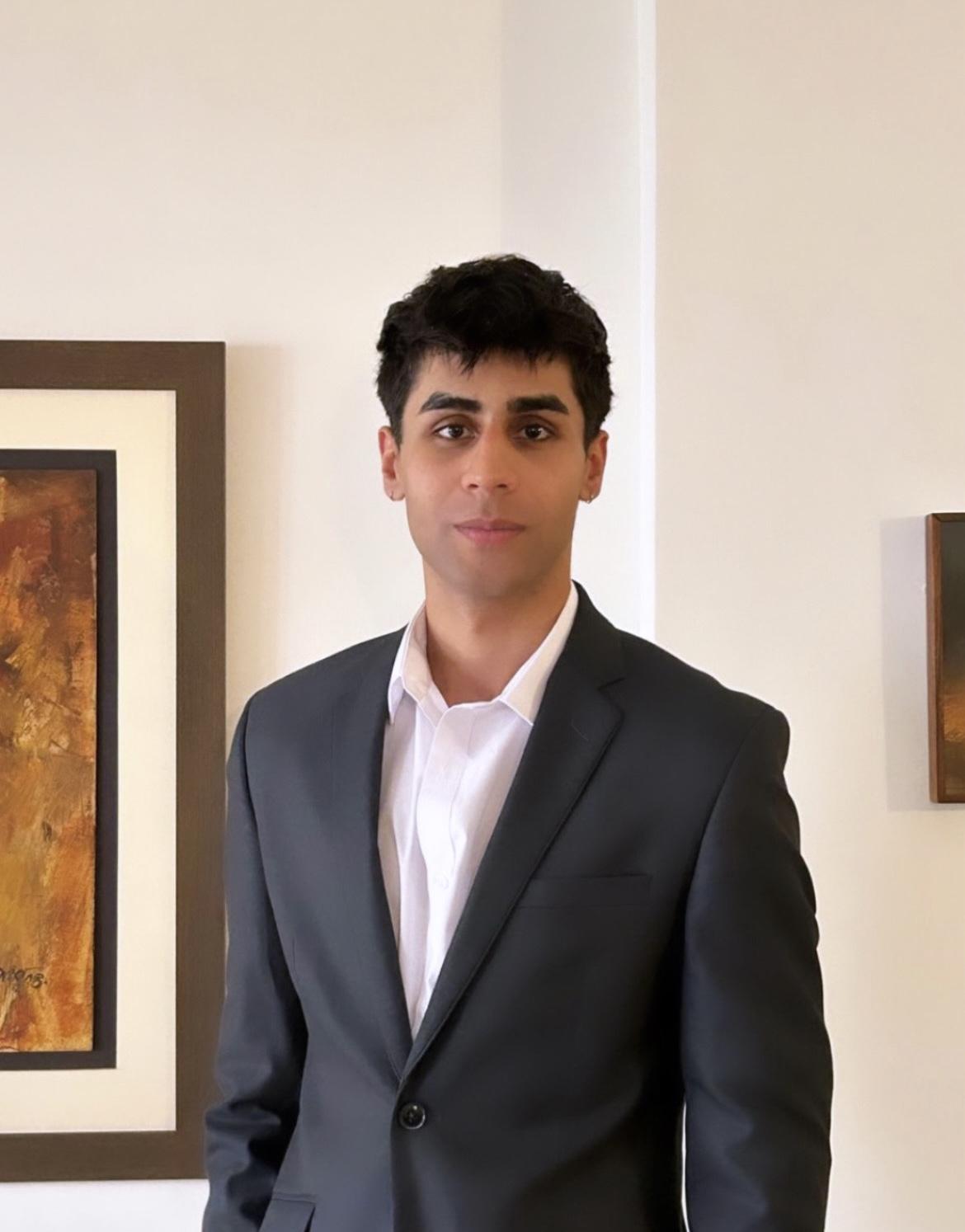
Uday believes good design should be felt, not just seen.
He is drawn to the tactile and the tangible, to the grain of wood, the weight of a material and the honesty of something made by hand. The workshop is where he thinks best, and that hands-on instinct flows directly into my work, grounding ideas in real-world craft and human experience.
His projects reflect a sensitivity to people and place, designing with purpose for those who need it most, whether that's rural communities, everyday users or anyone overlooked by mainstream design thinking.
Off the studio floor, he brings that same creative energy to the basketball court and to his trumpet, playing jazz with the kind of improvisational freedom that mirrors how he approach design: responsive, expressive and always listening.
As he steps into the industry, he is looking to work at the intersection of meaningful storytelling and material craft, building products that don't just function well, but feel right in the hands of the people who use them.
Crop burning in Northern India and its impacts on the communities around it
Every year, across the farms of Punjab, millions of tonnes of rice paddy stubble are set alight after harvest.
It is the fastest and cheapest way for farmers to clear their fields, but the cost is borne by everyone else. The resulting smoke pushes AQI levels in neighbouring cities like Delhi and Chandigarh past 400, blanketing communities in hazardous air and contributing to one of South Asia's most persistent public health crises.
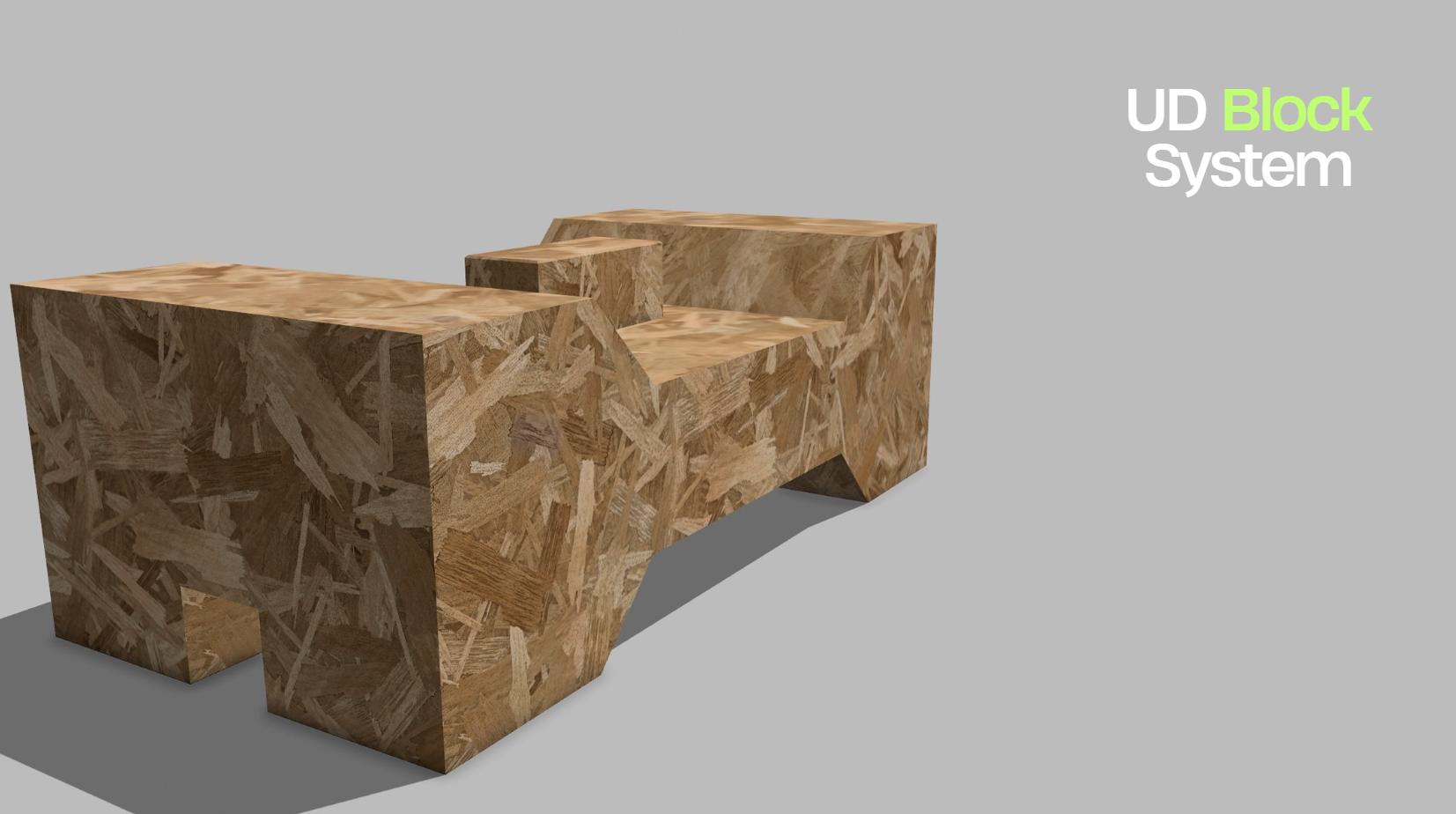
This project intercepts that waste before it burns. By compressing rice paddy straw and locally sourced clay soil into a structural brick, the material that was once smoke becomes shelter. Two resources already present on the farm, agricultural waste and earth, are combined into a low-cost building block for the very communities that produce them.
The system is built around a hand press compression moulding machine fabricated entirely from selvedge steel, the raw, mill-edged steel offcuts already found on farms across rural India, requiring no specialist sourcing. The machine operates without electricity, fuel or technical expertise. The three-part pine wood mould ensures a consistent brick form with clean release after each press.
The result is a building material that is honest in its making, rooted in its context and meaningful in its impact, turning an environmental burden into a construction resource, and giving farmers a second economy from a crop they would otherwise set on fire.


Gupta Ananya
Meagan Chan Hui Xin

Tyrus Hong

Trisha Saraogi
Tanaya Pendharkar
Yeowon Yoon (Wony)